Latest News

fall protection training

EM 385 Fall Protection Training: Who Needs It and Why?

Work performed on U.S. Army Corps of Engineers projects can involve safety obligations that go beyond a contractor’s usual procedures. Fall protection training helps workers, supervisors, and designated safety personnel understand how EM 385-1-1 requirements apply to elevated work, fall-prevention systems, rescue planning, inspections, and documentation. Knowing who requires training—and what level of instruction each person needs—is essential before work begins.

What Is EM 385 Fall Protection Training?

EM 385-1-1 is the U.S. Army Corps of Engineers safety and health requirements manual. It is commonly incorporated into contracts for military construction, federal projects, and work overseen by USACE. Contractors must follow the edition and project-specific requirements identified in their contract documents.
EM 385 fall protection training addresses the hazards and responsibilities associated with working at height. Depending on a person’s role, training may cover hazard recognition, fall-prevention methods, personal fall arrest systems, equipment inspection, anchorages, rescue procedures, and the preparation or implementation of fall protection plans.
Although EM 385 requirements can overlap with OSHA rules, they should not be treated as interchangeable. Contractors need to review both the applicable OSHA standards and the EM 385 provisions included in their contract. Broader OSHA fall protection training can provide an important foundation, but project personnel may still need instruction focused on EM 385 responsibilities.

Who Needs Fall Protection Training?

Training needs depend on a worker’s exposure, authority, and assigned duties. An employee who uses a personal fall arrest system does not necessarily need the same depth of instruction as someone responsible for approving anchorages or managing a fall protection program.
  • Workers exposed to fall hazards: Employees working near unprotected edges, openings, elevated platforms, scaffolds, roofs, or similar locations need training appropriate to the hazards and protective systems they will encounter.
  • Authorized users: Anyone expected to wear, connect, adjust, or inspect fall protection equipment before use must understand correct procedures and equipment limitations.
  • Competent persons: Individuals designated to identify fall hazards and take prompt corrective action require more advanced knowledge of work conditions, systems, inspections, and applicable requirements.
  • Qualified persons: Employees responsible for technical decisions, system design, anchorage evaluation, or specialized engineering considerations need suitable education, experience, and role-specific training.
  • Supervisors and safety personnel: Those overseeing elevated work should understand how to verify worker readiness, enforce the fall protection plan, and respond when site conditions change.
  • Rescue team members: Personnel assigned fall rescue duties need hands-on instruction and practice using the equipment and procedures identified in the rescue plan.

Why EM 385 Training Matters

Fall hazards can change as construction advances. Openings may be created, access routes may shift, and anchor points that were suitable for one task may not work for another. Training gives project teams a consistent process for evaluating these conditions rather than relying on assumptions.
Effective training also clarifies responsibility. Workers learn how to use equipment correctly, while competent and qualified persons learn what they are expected to evaluate or approve. This distinction is especially important when several employers or subcontractors are operating in the same area.
Related hazards may require additional instruction. For example, elevated material handling can involve both fall exposures and load-control risks. In those situations, qualified rigging and signaling training may complement the site’s fall protection program.

What Should the Training Cover?

A well-structured course should reflect the trainee’s actual duties and the current project requirements. Classroom information is important, but workers may also need practical exercises using the same types of equipment they will encounter on the job.
  • Recognition and evaluation of common fall hazards
  • The hierarchy of controls and methods for preventing exposure
  • Selection, fitting, use, care, and storage of fall protection equipment
  • Inspection criteria and procedures for removing damaged equipment from service
  • Guardrails, safety nets, restraint systems, positioning systems, and personal fall arrest systems
  • Anchorage requirements and the limits of each system
  • Falling-object protection and control of access below elevated work
  • Rescue planning, communication, and post-fall response
  • Responsibilities of authorized, competent, and qualified personnel
  • Project documentation and retraining expectations
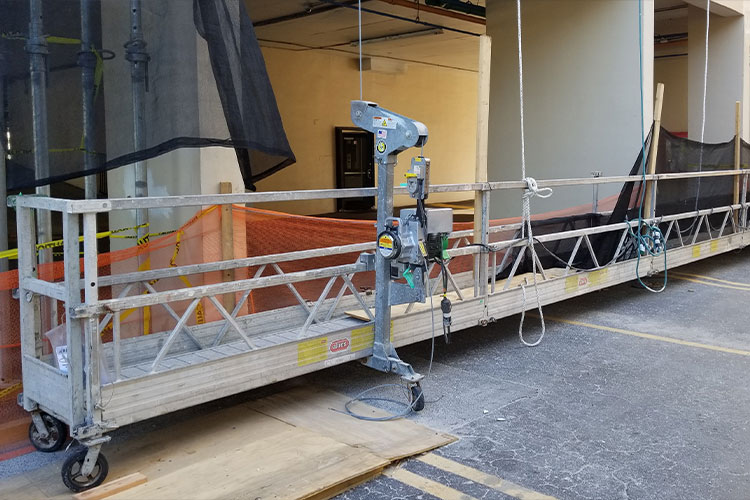
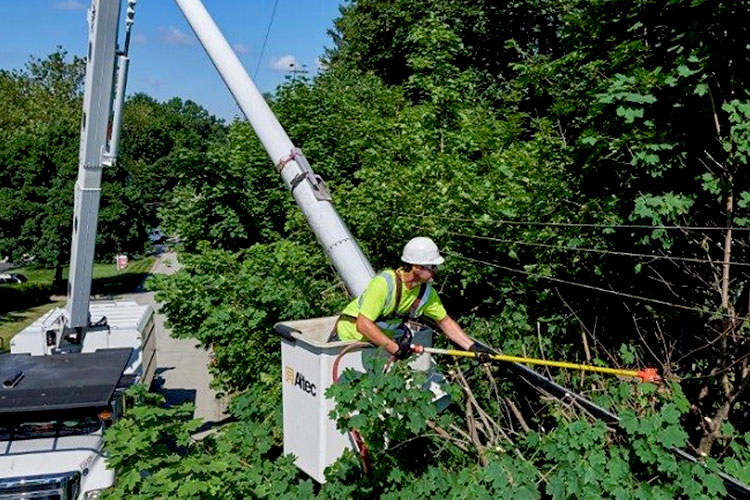
Training should not be limited to memorizing definitions. Participants need to understand how requirements affect real tasks, including ladder access, scaffold work, roof operations, aerial equipment, and work around floor openings. Employees using suspended access equipment may also benefit from role-specific suspended scaffold training.

When Is Retraining Necessary?

Completing a course once does not eliminate the need for future instruction. Retraining may be appropriate when workplace conditions change, new equipment or systems are introduced, an employee demonstrates that required knowledge or skills have not been retained, or project requirements call for updated training.
Employers should maintain clear training records and verify that each person’s instruction matches the duties assigned. A course completion document alone does not automatically establish that someone is qualified or competent for every fall protection responsibility. Those designations depend on the employer’s assessment of the person’s knowledge, experience, authority, and ability to perform the role.

Preparing Employees for EM 385 Work

Before mobilization, contractors should review the contract, identify expected fall exposures, assign responsible personnel, and determine which workers require general awareness or advanced role-based instruction. Training should align with the accepted safety plan, fall protection plan, rescue procedures, and equipment selected for the project.
Other site responsibilities may overlap with fall protection. A supervisor entering restricted areas or overseeing specialized work could also require confined space competent person training. Coordinating these courses before fieldwork helps prevent gaps in responsibility.

EM 385 Training From Think Safety Always

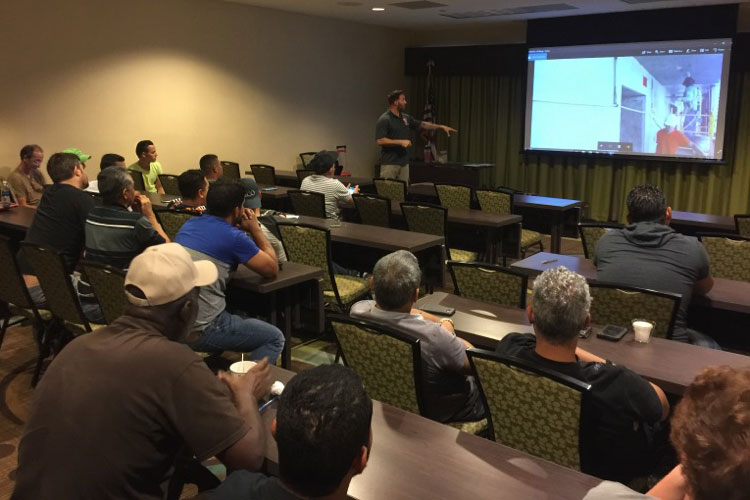
Think Safety Always provides EM 385 fall protection training for organizations preparing employees to work under applicable federal project safety requirements. Training can help participants understand fall hazards, equipment practices, assigned roles, and the importance of planning for rescue before elevated work starts.
Employers remain responsible for confirming contract requirements and designating personnel based on their qualifications and authority. With focused instruction and careful planning, Think Safety Always can serve as a reliable training resource for contractors seeking to prepare their teams for safer, more compliant work practices.

Frequently Asked Questions

Who is required to complete EM 385 fall protection training?

Workers exposed to fall hazards, authorized equipment users, supervisors, competent persons, qualified persons, and designated rescue personnel may need training. The required depth depends on each person’s duties and the project’s contract requirements.

Is EM 385 fall protection training the same as OSHA training?

No. The requirements may overlap, but EM 385-1-1 applies to covered USACE and other designated federal projects. Contractors must review the applicable OSHA standards along with the EM 385 edition and provisions identified in their contract.

How long does EM 385 fall protection training remain valid?

Validity can depend on the course, employer policy, contract, assigned role, and current project requirements. Retraining may be needed after workplace changes, new equipment, revised procedures, or evidence that an employee no longer has the necessary knowledge or skills.

Does completing a course make someone an EM 385 competent person?

Not automatically. Training supports the required knowledge, but the employer must designate the competent person and provide authority to identify hazards and take prompt corrective action. Experience, capability, and assigned responsibilities also matter.
Tags: competent person training, Construction Safety, EM 385 training, EM 385-1-1, fall arrest systems, fall protection training, fall rescue planning, federal contractor safety, qualified person training, USACE safety training

Related Posts

keyboard_arrow_up
Call Now Button