

Creating a safer work environment requires more than reacting when an injury or near miss occurs. Effective safety management begins by identifying conditions that could harm employees and taking action before those conditions result in an incident. Workplace hazard prevention provides organizations with a proactive approach to protecting employees, reducing occupational risks, strengthening safe work practices, and supporting more reliable day-to-day operations.
From construction sites and warehouses to manufacturing facilities and industrial environments, every workplace presents its own combination of hazards. Equipment, elevated work, electricity, hazardous substances, moving vehicles, confined spaces, material handling, and even routine work practices can create risk. Employers that make hazard prevention part of everyday operations are better positioned to protect their workforce and create a culture where safety is treated as an essential business responsibility.
What Is Workplace Hazard Prevention?
Workplace hazard prevention is the systematic process of identifying workplace hazards, evaluating the risks they present, and implementing measures designed to eliminate or control employee exposure.
The most effective approach is proactive. Instead of waiting for an accident to reveal that a problem exists, employers regularly examine working conditions, equipment, procedures, and employee activities to determine where injuries or illnesses could occur.
Hazards can also change. A worksite that was properly evaluated several months ago may introduce new equipment, employees, materials, processes, or contractors. Each change can create new risks or alter existing ones.
This makes hazard prevention an ongoing responsibility rather than a one-time safety exercise.
Organizations seeking professional assistance evaluating their safety needs can use Think Safety Always’s safety consultation services to discuss training, workplace conditions, and appropriate safety strategies.
Why Workplace Hazard Prevention Matters
A workplace injury affects more than the employee directly involved.
Incidents can disrupt operations, affect coworkers, damage equipment, delay projects, create additional administrative responsibilities, and increase costs. Serious events can have lasting consequences for workers and their families.
Prevention seeks to interrupt that chain before an incident happens.
An effective workplace hazard prevention program can help an organization:
- Identify hazardous conditions before they cause injuries or illnesses
- Give employees the knowledge needed to recognize and respond to hazards
- Establish safer and more consistent work procedures
- Strengthen communication between employees, supervisors, and management
- Reduce exposure to preventable workplace risks
- Support compliance with applicable OSHA requirements
- Build greater accountability for safety throughout the organization
The goal should not simply be avoiding citations. A strong safety program seeks to make hazard recognition and prevention part of how work is planned and performed.
Identifying Hazards Before Work Begins
Hazard identification is one of the foundations of prevention.
Employees cannot protect themselves from hazards that have not been recognized. Employers therefore need processes for examining jobs, work areas, equipment, materials, and procedures before an incident occurs.
Hazard identification can involve workplace inspections, observations of work practices, employee reports, equipment reviews, job hazard analyses, incident histories, near-miss reports, manufacturer information, and applicable safety requirements.
Employees can be especially valuable during this process because they perform the work regularly. They may recognize operational problems that are less obvious during a brief inspection.
Management should encourage employees to communicate concerns and provide a practical method for reporting hazardous conditions.
When organizations need an independent review, an OSHA third-party safety inspection can help identify workplace hazards and areas where safety practices may require improvement.
Evaluating Risk and Setting Priorities
Once hazards have been identified, the next step is determining how they should be addressed.
Not every hazard presents the same degree of risk. Organizations should consider factors such as the potential severity of an injury, the likelihood of exposure, how frequently employees encounter the hazard, and how many workers could be affected.
Conditions capable of causing severe injury or exposing multiple employees may require immediate attention.
This process helps organizations prioritize resources while still maintaining a system for addressing less urgent hazards.
Employers should also consider how work activities interact. A procedure that appears safe by itself may introduce additional risk when performed around moving equipment, electrical sources, elevated work, hazardous materials, or other operations.
Effective workplace hazard prevention therefore evaluates the complete working environment rather than examining hazards in isolation.
Controlling Workplace Hazards Effectively
Recognizing a hazard is only useful when the organization follows through with appropriate controls.
Whenever feasible, eliminating the hazard is generally preferable to requiring workers to continuously protect themselves from it. When elimination is not possible, other controls can be considered.
A common hierarchy includes:
- Elimination: Remove the hazard from the workplace or work process.
- Substitution: Replace a hazardous material, process, or condition with a safer alternative when feasible.
- Engineering controls: Isolate employees from the hazard through equipment design, guards, ventilation, barriers, or other physical controls.
- Administrative controls: Establish procedures, scheduling practices, signs, policies, or other measures that reduce exposure.
- Personal protective equipment: Provide appropriate PPE when hazards remain and ensure employees understand its proper selection and use.
The appropriate control depends on the hazard and the work being performed. In many workplaces, several control methods work together rather than relying on one measure alone.
Safety Training Turns Prevention Into Daily Practice
Even well-designed safety procedures can fail when employees do not understand them.
Training connects written policies and hazard controls with actual workplace behavior.
Employees need to understand the hazards associated with their work, how those hazards are controlled, what procedures they are expected to follow, and what to do when conditions change.
Training should also be relevant to the employee’s actual responsibilities.
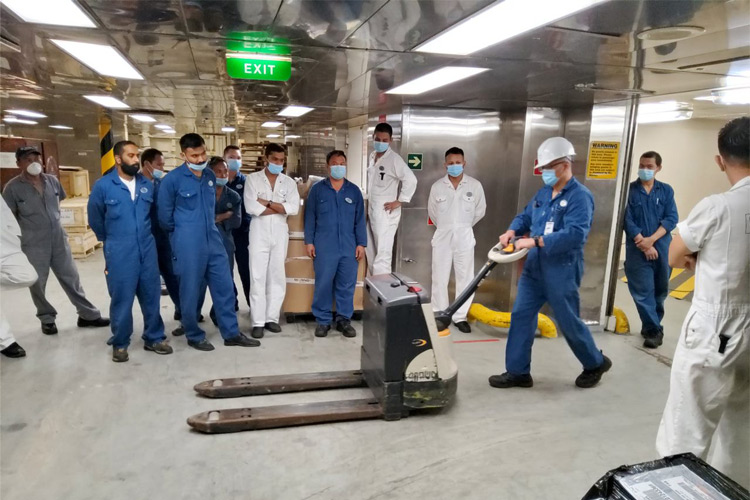
A forklift operator requires different instruction from an employee working around electrical hazards. Someone entering a permit-required confined space faces different risks from a worker using an aerial lift.
Think Safety Always provides a broad range of OSHA safety training services covering specialized workplace activities and hazards.
The purpose of training should extend beyond memorizing rules. Employees should develop the knowledge needed to recognize unsafe conditions and make appropriate decisions while performing their jobs.
Management Leadership Is Essential to Hazard Prevention
Employees quickly recognize whether safety is a genuine organizational priority or simply something discussed during meetings.
Management sets that tone.
When supervisors consistently enforce safe work practices, respond to reported hazards, provide appropriate resources, and stop unsafe operations when necessary, employees see that prevention is taken seriously.
Problems develop when production pressure routinely overrides safety expectations.
If workers believe they are expected to bypass procedures to meet deadlines, even a well-written safety program can lose effectiveness.
Strong workplace hazard prevention therefore requires leadership to make safety expectations clear and consistent.
Managers and supervisors should also participate in training and understand their own responsibilities. Safety should not be delegated exclusively to a safety manager while operational leadership remains disconnected from the process.
Employee Participation Strengthens Workplace Safety
Employees are not merely recipients of a safety program. They should be active participants.
Workers often have detailed knowledge about the tasks they perform, equipment they operate, and conditions they encounter. Their observations can reveal hazards that management may otherwise overlook.
Organizations should encourage workers to report damaged equipment, unsafe conditions, procedural problems, close calls, and other concerns without creating a culture where speaking up is discouraged.
Employee involvement can also improve the practicality of controls.
A safety procedure developed without input from the people performing the task may be difficult to follow in actual working conditions. Involving experienced employees can help organizations identify those issues before implementing a procedure.
This collaboration supports a stronger safety culture because employees become part of the prevention process.
Why Near Misses Should Never Be Ignored
Not every hazardous event results in an injury.
Sometimes a worker avoids being struck by equipment by only a few feet. A dropped object lands where nobody happens to be standing. An employee loses balance but catches a handrail before falling.
These events can provide valuable warning signs.
A near miss demonstrates that conditions existed that could have resulted in an injury. Treating the absence of an injury as proof that the system worked can allow the same hazard to remain.
Instead, organizations should examine what happened, identify contributing factors, and determine whether corrective measures are needed.
A strong workplace hazard prevention strategy learns from these events before a more serious incident occurs.
Workplace Inspections Support Continuous Prevention
Workplace conditions do not remain static.
Equipment wears. Tools become damaged. Employees change. Materials are relocated. New projects begin. Temporary work areas are created. Contractors arrive, and weather can alter jobsite conditions.
Regular inspections help organizations detect these changes.
An effective inspection should look beyond obvious housekeeping problems. It should consider equipment condition, employee practices, access routes, fall hazards, electrical conditions, material storage, PPE use, emergency preparedness, and hazards specific to the work being performed.
Documentation can also help organizations track findings and verify that corrective actions were completed.
Think Safety Always offers OSHA safety training designed to help organizations strengthen employee knowledge and establish safer workplace practices.
Protecting Physical and Psychological Well-Being
Work safety is fundamentally about protecting people.
Physical hazards such as falls, electrical exposure, hazardous substances, equipment, and moving vehicles may be among the most visible concerns, but effective safety management should consider the overall conditions in which employees work.
Fatigue, inadequate communication, insufficient training, excessive pressure, and unclear responsibilities can contribute to unsafe decisions.
Organizations should create conditions where workers understand expectations, receive appropriate instruction, have access to necessary protective measures, and can raise safety concerns.
This broader approach recognizes that a healthy safety culture depends on people as much as equipment and written procedures.
Measuring Whether Hazard Prevention Is Working
A safety program should evolve based on workplace experience.
Organizations can review inspections, employee observations, near misses, training results, incidents, corrective actions, and other relevant indicators to determine whether existing controls remain effective.
The absence of injuries alone does not necessarily prove that hazards are properly controlled.
A workplace could experience no injuries during a particular period while still having significant uncontrolled risks. That is why proactive indicators—such as completed inspections, corrected hazards, training participation, and employee reporting—can provide useful additional information.
When weaknesses are identified, organizations should update procedures, controls, and training accordingly.
Continuous improvement keeps workplace hazard prevention responsive to changing conditions instead of allowing the safety program to become outdated.
Build a Safer Workplace With Think Safety Always
Effective hazard prevention requires knowledge, consistent training, employee involvement, management commitment, and the ability to recognize risks before they result in an accident.
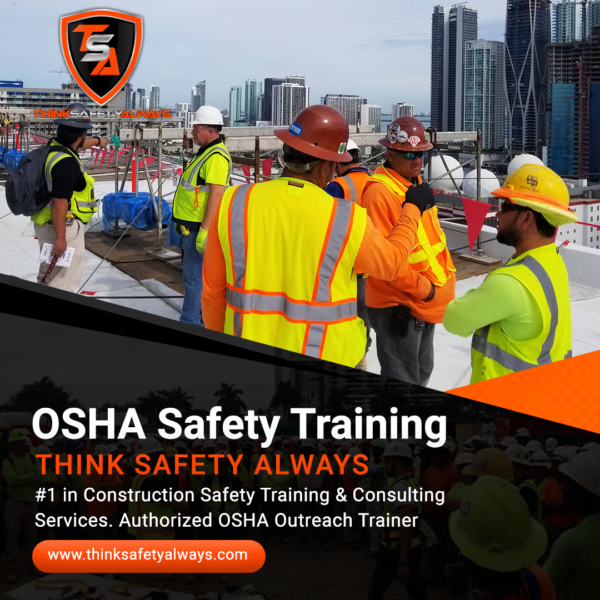
Think Safety Always specializes in OSHA-focused safety training and consulting designed to help companies create safer work environments. As an authorized OSHA Outreach Trainer, the company provides training for construction, industrial, warehouse, maritime, and other workplaces, with programs covering a wide range of specialized hazards and equipment.
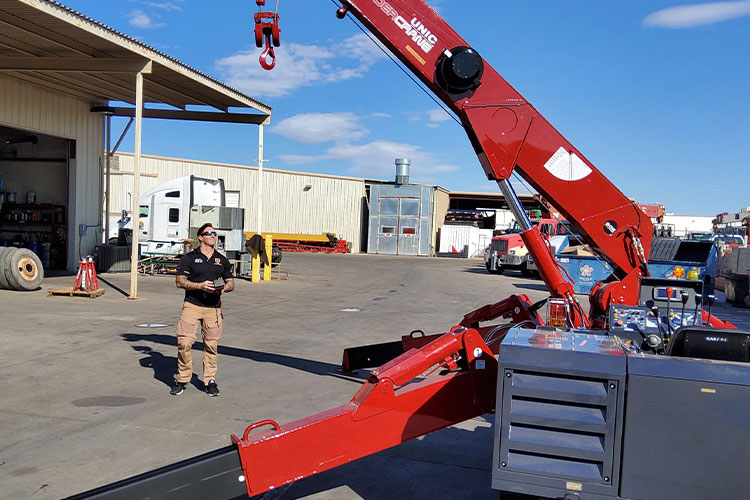
Training options include OSHA 10-hour programs, fall protection, forklift safety, HAZWOPER, confined spaces, aerial and scissor lifts, rigging and signaling, electrical hazards, suspended scaffolds, cranes, and other job-specific safety subjects.
Think Safety Always also provides onsite training and safety consulting, allowing instruction to address the realities employees encounter in their own working environments. Training is available nationwide, with English and Spanish classes offered to help organizations reach a broader workforce.
For companies looking to strengthen workplace hazard prevention, Think Safety Always provides the professional training, practical safety expertise, and consulting support needed to identify risks, improve worker knowledge, and make prevention an active part of everyday operations.
A safer workplace is not created by waiting for the next accident. It is created by recognizing hazards, controlling them, training employees, involving the workforce, and making safety a consistent organizational priority.
Frequently Asked Questions
What is the first step in preventing hazards in the workplace?
The process generally begins with identifying and assessing hazards. Employers should examine work areas, equipment, procedures, materials, previous incidents, and employee observations to determine where harmful conditions exist or could develop. Once hazards are understood, appropriate controls can be selected and implemented.
What are the most effective ways to control workplace hazards?
Hazard elimination is generally preferred when feasible, followed by approaches such as substitution and engineering controls. Administrative measures and personal protective equipment may also be necessary. The appropriate method depends on the hazard, and multiple controls may be used together when one measure cannot adequately address the risk.
How can employees participate in workplace hazard prevention?
Employees can report hazards and near misses, participate in inspections and safety discussions, follow established procedures, use protective equipment correctly, and provide feedback about how safety controls function during actual work. Worker participation can help employers identify problems that may not be obvious during management reviews alone.
How often should workplace hazards be evaluated?
Hazard evaluation should be an ongoing process rather than a one-time inspection. Workplaces should reassess risks when equipment, processes, materials, personnel, or work conditions change and after incidents or near misses reveal potential weaknesses. Routine inspections can also help identify developing hazards before they cause an injury.