

Workplace safety is not just a compliance issue—it is a business responsibility that directly impacts productivity, morale, insurance costs, and legal exposure. Whether you operate a construction site, warehouse, manufacturing facility, healthcare office, or professional workplace with field crews, safety training must be treated as a core operational function. OSHA standards exist to reduce injuries and fatalities, but the real value of training is that it gives workers the knowledge and confidence to recognize hazards before they turn into incidents.
For employers, understanding OSHA Safety Training Requirements is essential. Many citations and costly penalties stem from the same root problem: employees were not properly trained, training was not documented, or training was not specific to the hazards present. This guide explains what OSHA expects, what training is required across industries, how to document it correctly, and how to build a safety training program that protects both your people and your organization.
Why OSHA training requirements matter for every employer
The Occupational Safety and Health Administration (OSHA) sets enforceable standards designed to protect workers from recognized hazards. While OSHA does not have one single “training law” that applies the same way to all companies, many OSHA standards include mandatory training components. OSHA also expects employers to train employees in a way they can understand, which includes language and literacy considerations.
When training is weak, the risk is not limited to citations. Poor training results in:
- Higher injury rates and avoidable lost-time incidents
- Increased workers’ compensation costs and insurance premiums
- Operational delays from investigations, shutdowns, and corrective actions
In short, meeting OSHA Safety Training Requirements is a key part of running a stable and scalable operation.
What OSHA expects from employers
OSHA’s training expectations can be summarized in one principle: employees must be trained to work safely for the tasks they perform and the hazards they face. This includes training at the time of hire, when job duties change, when new equipment is introduced, or when new hazards are identified.
OSHA expects employers to:
- Identify workplace hazards and applicable OSHA standards
- Train employees on safe work practices, PPE, and emergency procedures
- Maintain records showing training dates, topics covered, and attendee names
The training must be effective, not symbolic. That means employers must go beyond handing out written policies and should include demonstrations, discussions, and job-specific instruction.
Which training topics are commonly required under OSHA
The exact training required depends on your industry, job duties, and hazards. However, OSHA standards frequently require training in the following areas:
Hazard Communication (HazCom)
If your workplace uses hazardous chemicals, OSHA’s Hazard Communication Standard requires employee training on chemical hazards, labeling, Safety Data Sheets (SDS), and protective measures. HazCom is one of the most commonly cited OSHA standards, often due to missing training documentation.
Personal Protective Equipment (PPE)
Employers must train employees on the PPE required for their tasks, how to wear it correctly, limitations of PPE, and how to maintain and replace it.
Emergency Action Plans (EAP)
Companies must train workers on evacuation routes, fire response procedures, reporting emergencies, and assembly points. Training must reflect the actual layout and operations of the facility.
Fall Protection
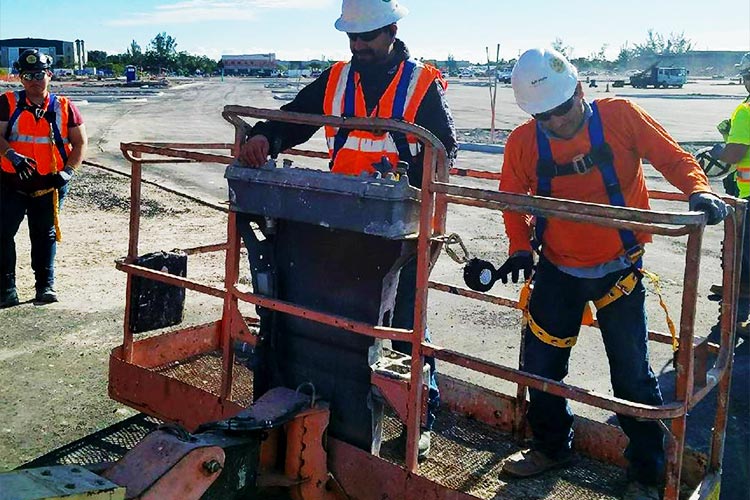
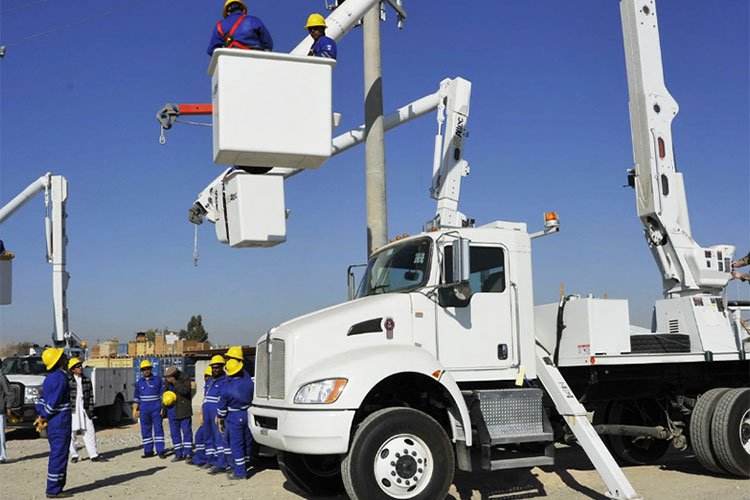
Fall-related incidents remain among the leading causes of workplace fatalities, especially in construction. Workers exposed to fall hazards must be trained on fall prevention methods, systems used, proper anchoring, and inspection requirements.
Lockout/Tagout (LOTO)
For facilities with machinery servicing or maintenance, LOTO training is required to prevent unexpected energization. OSHA is strict about LOTO compliance, and violations can be severe.
Powered Industrial Trucks (Forklift Training)
Forklift operators must complete formal instruction, practical training, and evaluation. Training must be job-site specific and renewed when necessary.
Confined Space
If workers may enter permit-required confined spaces, training must cover hazard recognition, atmospheric testing, entry procedures, rescue planning, and roles for attendants/supervisors.
Respiratory Protection
If respirators are required, OSHA mandates training on proper use, fit, storage, limitations, and medical evaluation requirements. Fit testing is required for tight-fitting respirators.
These are only examples. Employers should treat OSHA Safety Training Requirements as a framework for building an overall hazard-based training plan, not a checklist that ends after orientation.
How often is OSHA training required?
Some OSHA training must occur before an employee is exposed to hazards. Other training must be repeated annually or when conditions change. In practice, employers should expect to provide:
Initial Training
At onboarding or before exposure to a hazard.
Refresher Training
Often annual for key programs (such as HazCom, certain emergency response plans, or safety leadership training), though OSHA requirements can vary by standard.
Retraining After Incidents or Changes
If an employee shows unsafe behavior, if a near miss occurs, or if job duties change, retraining is often necessary.
Even when OSHA does not specify an annual requirement, refresher training is considered a best practice and can protect the employer if an incident triggers an investigation.
Documentation: what employers must keep to prove compliance
Many employers conduct training but fail the audit because the documentation is incomplete. OSHA typically expects training records that show:
who attended
date and duration
subject matter covered
trainer name and qualifications
method used (classroom, hands-on, online, blended)
Records should be organized, accessible, and easy to produce quickly. A strong training file can reduce liability and help demonstrate good-faith compliance.
Common mistakes that lead to OSHA citations
Employers often get cited not because they ignored safety, but because the training wasn’t strong enough or wasn’t documented properly. Common failures include:
Using generic training that doesn’t match the job
A worker training program must address real hazards at your workplace, not just general safety topics.
Training only at hiring, then never again
OSHA expects retraining after changes, unsafe behavior, or new hazards.
Failing to verify understanding
Training must be effective. Employers should confirm comprehension using Q&A, demonstrations, and active participation.
Missing records
If you cannot show training occurred, OSHA may treat it as if it never happened.
These pitfalls are why employers need a structured plan aligned with OSHA Safety Training Requirements rather than informal “toolbox talks” without follow-through.
Building a compliant OSHA training program
An effective safety training program should include hazard identification, defined training modules, supervisor accountability, and routine evaluation. Employers should also monitor leading indicators like near-misses, equipment issues, and behavioral observations to identify where retraining is needed.
Training should be practical, role-specific, and continuous. When safety becomes part of daily operations—not an annual event—incident rates drop and performance improves.
How Think Safety Always helps employers meet OSHA training requirements
Meeting OSHA Safety Training Requirements can feel overwhelming, especially when employers are juggling operations, staffing, deadlines, and compliance. That is why many organizations partner with professionals who can deliver structured training programs and help ensure the training is consistent, job-relevant, and properly documented.
Think Safety Always helps employers implement OSHA-aligned safety training that supports compliance and reduces workplace risk. From hazard communication and PPE training to fall protection, forklift training, and jobsite-specific safety education, Think Safety Always provides training solutions that help companies protect employees and strengthen operations. If your organization needs a clearer safety training plan, stronger documentation, or a smarter path to compliance, Think Safety Always can help you build it.
Frequently Asked Questions
Does OSHA require safety training for all employees?
Yes, OSHA expects employees to be trained on the hazards they may face and the safe practices needed for their specific job tasks.
Do I need to document OSHA training?
In many cases, yes—documentation is critical. Even when not explicitly required, keeping training records helps prove compliance during audits or investigations.
How long should OSHA safety training be?
OSHA does not set one universal duration. Training must be long enough to cover hazards thoroughly and ensure workers understand safe procedures.
Can OSHA training be completed online?
Some topics can be taught online, but many require hands-on components and site-specific instruction to be compliant and effective.