
Understanding aerial lift training requirements is essential for any business that relies on elevated work platforms. Whether you’re operating a scissor lift for vertical access or a boom lift for extended reach, proper training is not just recommended—it’s required for workplace safety, OSHA compliance, and accident prevention. Many companies mistakenly assume all aerial lift training is the same, but there are key differences between scissor lift and boom lift operation that every operator must understand before stepping onto the platform.
What Are Aerial Lift Training Requirements?
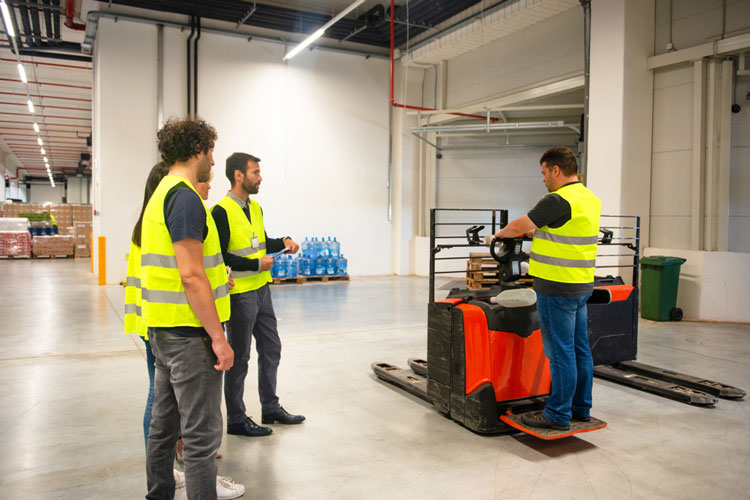
Aerial lift training requirements are safety guidelines and operational standards set to ensure workers can safely operate elevated platforms. These requirements cover equipment knowledge, hazard awareness, fall protection, and emergency procedures. OSHA mandates that all operators must be trained by a qualified individual and demonstrate competency before operating equipment.
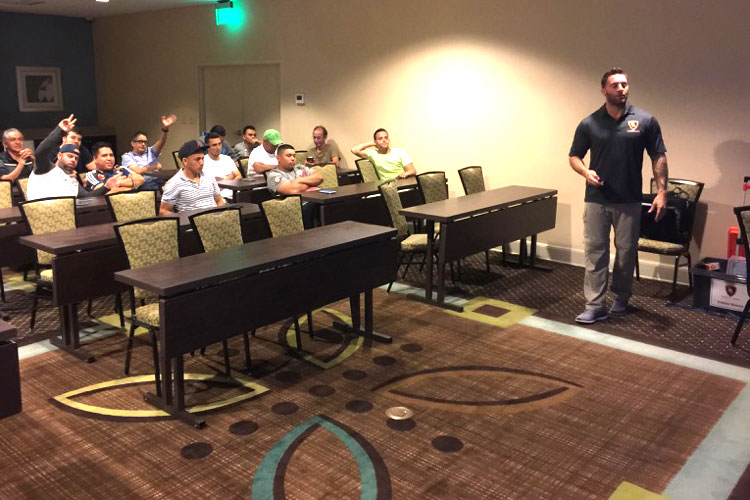
Training programs should include both classroom instruction and hands-on evaluation. Employers can learn more about compliance and certification by visiting Think Safety Always for professional guidance and structured programs.
Scissor Lift vs Boom Lift: Core Differences
While both lifts fall under the category of aerial equipment, their design, movement, and risk factors differ significantly.
Scissor Lift Overview
Scissor lifts move strictly in a vertical direction using a crisscrossing metal support system. They are commonly used for indoor work such as maintenance, installations, and warehouse operations.
Boom Lift Overview
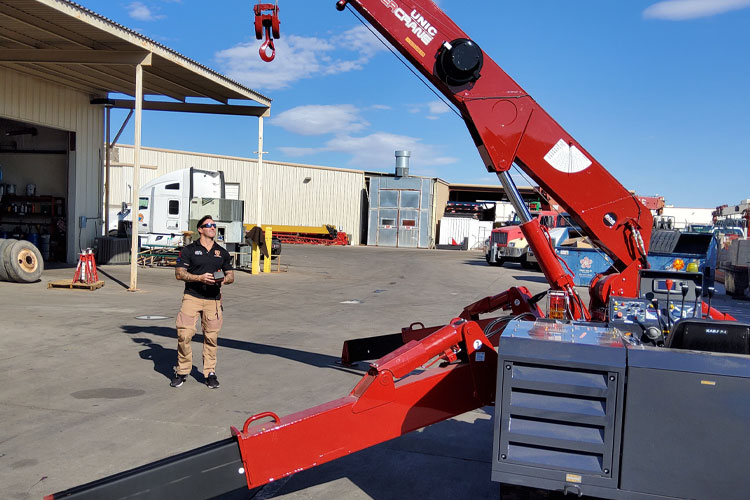
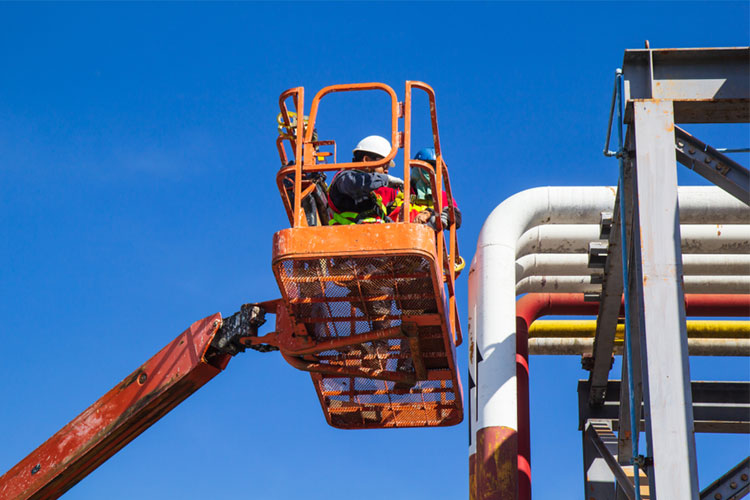
Boom lifts, also known as cherry pickers, provide both vertical and horizontal reach. Their extendable arm allows operators to access difficult or elevated areas, making them ideal for construction and outdoor work.
Key Operational Differences
- Movement: Scissor lifts move up and down; boom lifts extend outward and upward.
- Reach: Boom lifts offer greater flexibility and access to hard-to-reach areas.
- Stability: Scissor lifts are generally more stable due to their vertical design.
- Application: Scissor lifts are best for straight elevation; boom lifts are ideal for complex positioning.
These differences directly impact aerial lift training requirements, as each type requires specific operational knowledge and safety awareness.
Training Requirements for Scissor Lifts
Scissor lift training focuses on vertical movement safety, platform stability, and load management. Operators must understand weight limits, guardrail use, and safe positioning on level surfaces.
Key Training Topics
- Proper use of guardrails and fall protection systems
- Load capacity and weight distribution
- Safe operation on flat and stable surfaces
- Hazard identification such as holes, slopes, and obstacles
Hands-on practice is critical to ensure operators can safely maneuver the equipment in real-world conditions.
Training Requirements for Boom Lifts
Boom lift training is more complex due to the machine’s extended reach and increased risk factors. Operators must learn how to control swing radius, avoid tip-over hazards, and maintain stability at height.
Advanced Safety Considerations
Boom lift operators must be trained on fall protection harness use, emergency descent procedures, and awareness of overhead hazards such as power lines. The dynamic movement of the boom arm requires a higher level of coordination and spatial awareness.
For detailed safety programs and certification, businesses can explore training consultations offered by industry professionals.
Why Proper Training Matters
Failing to meet aerial lift training requirements can result in serious injuries, OSHA violations, and costly downtime. Proper training reduces workplace accidents, improves productivity, and ensures compliance with safety regulations.
Common Risks Without Training
Operators without proper training are more likely to experience tip-overs, falls, collisions, and equipment misuse. These incidents can lead to severe injuries or fatalities.
Employers should prioritize ongoing education and refresher courses. Learn more about workplace safety programs at Think Safety Always services.
Choosing the Right Training Program
Not all training programs are created equal. A quality program should address both scissor lift and boom lift differences while aligning with OSHA standards.
What to Look For
Look for programs that offer:
Hands-on training, certification, experienced instructors, and compliance-focused curriculum.
Businesses can also access additional safety resources through industry safety blogs to stay updated on best practices.
Partner with Experts in Aerial Lift Training
Understanding the differences between scissor lifts and boom lifts is essential for meeting aerial lift training requirements and maintaining a safe work environment. Each type of lift presents unique challenges, and proper training ensures operators can handle these safely and efficiently.
Think Safety Always specializes in comprehensive aerial lift training programs designed to meet OSHA standards and industry demands. With expert instructors, hands-on training, and a commitment to safety, they help businesses reduce risk, improve compliance, and protect their workforce. When safety matters most, partnering with experienced professionals makes all the difference.
Frequently Asked Questions
What training is required to operate an aerial lift?
Operators must complete formal instruction, hands-on training, and a performance evaluation to demonstrate safe operation of the equipment.
Do scissor lifts and boom lifts require separate training?
Yes, because each lift type has different controls, risks, and movement capabilities, operators should be trained specifically for each.
How often should aerial lift training be renewed?
Training should be refreshed periodically or whenever an operator shows unsafe behavior, uses new equipment, or experiences a workplace incident.
Is certification required for aerial lift operators?
While OSHA does not issue certifications directly, employers must ensure operators are trained and documented as competent.