
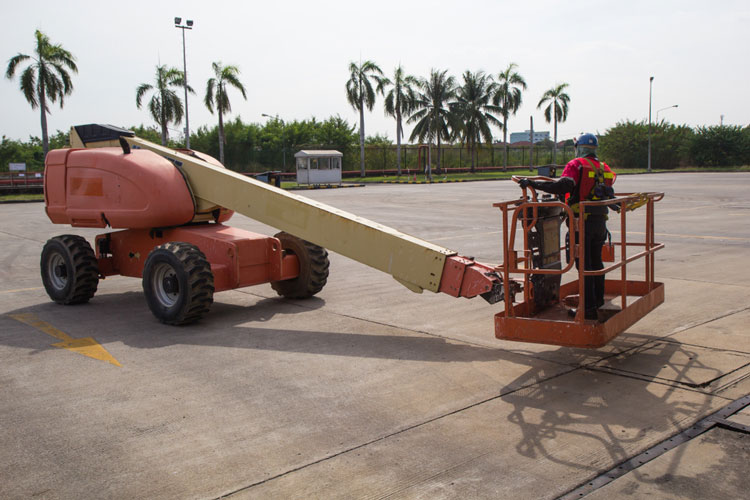
Working at height introduces serious risks, which is why aerial lift training is essential for any workplace using boom lifts, scissor lifts, or other elevated platforms. Falls, tip-overs, contact with overhead hazards, and equipment misuse can all lead to severe injuries or fatalities when operators are not properly trained. A structured training program equips workers with the knowledge and practical skills needed to operate lifts safely while maintaining regulatory compliance.
Employers who prioritize professional aerial lift instruction not only protect their workforce but also reduce liability, prevent downtime, and maintain a safer, more productive job site.
Why Aerial Lift Training Is Critical
Aerial lifts allow workers to access elevated work areas efficiently, but they also place operators in environments where mistakes can have serious consequences. Aerial lift training teaches safe operation, hazard identification, and emergency procedures that reduce the likelihood of incidents.
Proper training ensures operators understand lift limitations, safe positioning, and environmental risks such as overhead power lines, unstable surfaces, or poor weather conditions. When operators recognize hazards early, they can make adjustments that prevent accidents before they occur.
Understanding Equipment Types and Their Risks
Different aerial lifts have different functions and safety considerations. Boom lifts offer extended reach but introduce swing radius hazards and increased tip-over risk. Scissor lifts provide vertical elevation but require stable, level surfaces. Knowing how each machine behaves under load is a fundamental part of effective aerial lift training.
Operators must understand that platform capacity, guardrail systems, and safety features are designed to prevent falls and instability. Removing or misusing these protections significantly increases risk.
Pre-Operation Inspections Prevent Failures
Mechanical issues are a common factor in aerial lift incidents. Daily inspections help identify problems before work begins.
- Check tires, outriggers, and structural components for damage or wear.
- Inspect guardrails, gates, and fall protection anchor points for integrity.
- Test controls, emergency lowering systems, and alarms to ensure full functionality.
Identifying and reporting issues early prevents unexpected failures while workers are elevated.
Safe Positioning and Stability Practices
Lift stability is influenced by ground conditions, weight distribution, and platform movement. Operators must assess the work area before elevating the platform.
- Set up on firm, level ground and use stabilizers if equipped.
- Maintain safe distances from drop-offs and edges to avoid collapse or tipping.
- Never exceed the platform’s rated capacity including tools and materials.
These stability principles are emphasized in quality aerial lift training because tip-overs are among the most severe lift-related accidents.
Fall Protection and Worker Safety
Fall protection is a key component of aerial lift safety. While guardrails provide primary protection, certain boom lift operations require personal fall protection equipment. Workers must be trained on proper harness use, lanyard attachment points, and emergency procedures.
Standing on guardrails, leaning outside the platform, or using makeshift ladders inside lifts are dangerous practices that training programs specifically address and prohibit.
Environmental and Workplace Hazards
Aerial lift operation does not happen in isolation. Job sites often include moving equipment, pedestrians, and environmental challenges.
Wind can affect lift stability, especially at higher elevations. Overhead electrical lines pose electrocution hazards, requiring strict clearance distances. Indoor environments may present ceiling obstructions, limited ventilation, or uneven floors.
Comprehensive aerial lift training prepares operators to assess these factors and modify their approach accordingly.
Emergency Preparedness and Rescue Planning
Even with precautions, emergencies can occur. Operators and supervisors must know how to respond quickly. Training includes emergency lowering procedures, communication protocols, and rescue planning to ensure workers can be safely retrieved if equipment malfunctions.
Having a plan in place reduces panic and ensures faster, safer response times.
The Value of Ongoing Evaluation
Skills can fade over time, and workplace conditions evolve. Refresher instruction reinforces safe habits and updates operators on new equipment or procedures. Employers who invest in continuous aerial lift training build a proactive safety culture that minimizes incidents.
Partnering with Think Safety Always
Professional instruction makes a measurable difference in workplace safety. Think Safety Always provides expert-led aerial lift training programs tailored to real job site conditions. Their courses cover hazard recognition, equipment operation, compliance requirements, and hands-on safety practices. By partnering with experienced trainers, businesses ensure their teams are prepared, compliant, and confident when working at height.
Frequently Asked Questions
Who is required to complete aerial lift training?
Any worker who operates an aerial lift must receive proper training and demonstrate competency before use.
How often should aerial lift operators be retrained?
Retraining is required after incidents, unsafe operation, equipment changes, or workplace hazard changes, and periodic evaluations are recommended.
What are the most common aerial lift hazards?
Major hazards include falls, tip-overs, contact with overhead power lines, unstable surfaces, and mechanical failures.
Does aerial lift training include hands-on practice?
Yes, effective training includes both classroom instruction and hands-on evaluation to ensure operators can safely use the equipment.