

The workplace continues to evolve faster than ever—new equipment, materials, and jobsite demands create opportunities for progress but also introduce unfamiliar risks. As we move through 2025, safety leaders are being challenged with hazards that didn’t exist just a few years ago or have become more severe due to operational changes. Three areas in particular—silica exposure, ladder falls, and MEWP (Mobile Elevating Work Platform) incidents—are showing a significant rise in reported injuries and enforcement activity.
Understanding these threats is no longer optional. It is essential to protecting workers, maintaining compliance, and preventing costly downtime. This article explores the emerging workplace hazards of 2025, why they are increasing, and how safety managers can strengthen prevention strategies.
Silica Exposure: A Persistent Hazard Growing in Scope
Respirable crystalline silica continues to be one of OSHA’s top enforcement priorities, but 2025 has brought added complexity. Industries that previously saw minimal silica exposure—such as countertop fabrication, landscaping, and small-scale construction—are now experiencing elevated risk due to high-powered cutting tools, tighter indoor working environments, and expanded use of engineered stone products.
A major factor behind the rising concern is that silica particles are far smaller than most dust hazards. Once airborne, they can remain suspended long enough to travel throughout a workspace, exposing workers who are not directly involved in the cutting or grinding tasks. Long-term exposure increases the likelihood of silicosis, lung cancer, kidney disease, and autoimmune complications.
Safety managers should prioritize:
-
Air monitoring throughout the jobsite, not just at the point of operation
-
Wet-cutting and dust suppression technologies designed for engineered stone
-
Fit-tested respiratory protection programs with updated training
-
Medical surveillance tracking, especially for high-risk roles
-
Tool upgrades that include integrated water delivery and HEPA dust extraction
With silica enforcement expected to tighten further, businesses must proactively update their written exposure control plans and review them at least annually.
Ladder Falls: A Growing Risk Despite Better Awareness
Ladder safety may feel like an old conversation, but OSHA data continues to show an alarming rise in ladder-related injuries. In 2025, the increase is linked to two key trends: task rushing due to labor shortages and improper ladder selection in fast-paced environments where workers grab whatever tool is closest.
Even experienced workers are slipping, overreaching, or carrying materials during ascent and descent—behaviors that increase risk by more than 300%.
To address this persistent problem, safety managers must go beyond traditional ladder training and adopt a more behavior-driven strategy.
Recommended best practices include:
-
Task-specific ladder assignments (height, material, duty rating)
-
Mandatory three-point-of-contact reinforcement during hands-on training
-
Visual ladder inspection stations placed at high-traffic points
-
Replacing ladders with platforms or low-level lifts when possible
-
Micro-learning refreshers delivered weekly instead of yearly
The organizations seeing the greatest improvements are those that remove the guesswork by standardizing ladder types, labeling them, and closely evaluating ladder-heavy jobs for substitution opportunities.
MEWP Hazards: New Equipment, New Challenges
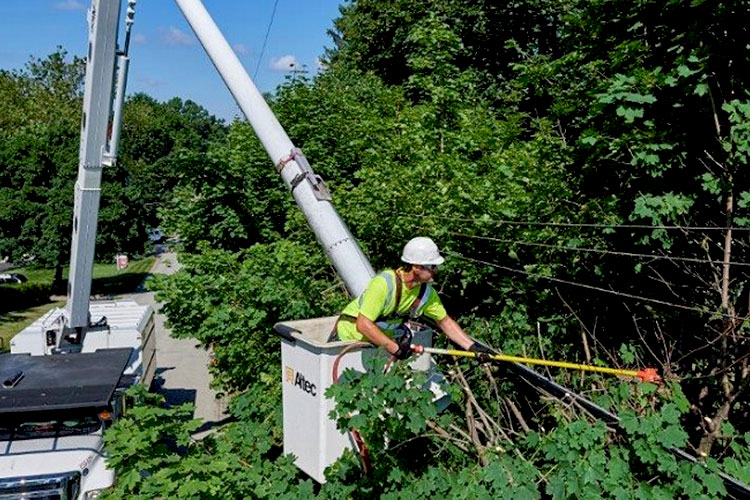
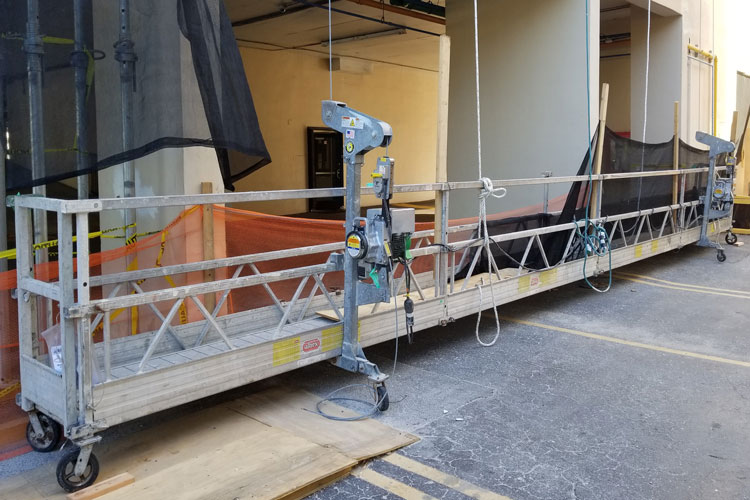
Mobile Elevating Work Platforms have become essential across construction, maintenance, and industrial facilities. Their design improves productivity, but incident reports show a spike in:
-
Tip-overs,
-
Entrapment injuries,
-
Untrained operator usage, and
-
Incorrect platform positioning.
What’s new in 2025 is the rapid adoption of advanced MEWPs with automated features. While these innovations are designed to improve precision and reduce operator error, they also create a false sense of security. Workers may rely too heavily on automated leveling or stabilization, overlooking environmental hazards such as uneven surfaces, overhead structures, or unstable substrates.
Key prevention steps include:
-
Annual and site-specific MEWP training that covers model-specific automation
-
Pre-shift inspection protocols including sensors, hydraulics, guardrails, and emergency descent systems
-
Hazard mapping of work areas before platform elevation
-
Strict enforcement of load ratings and angle limits
-
Use of spotters in tight or unfamiliar settings
By integrating real-time monitoring systems and operator telemetry, safety managers can now track how MEWPs are being used, identify risky behaviors, and intervene before incidents occur.
Strengthening Your 2025 Safety Strategy
The common thread between silica hazards, ladder falls, and MEWP incidents is complacency. These risks are not new, but their impact is intensifying due to changing equipment, environments, and work pressures.
To stay ahead, safety managers should:
-
Perform quarterly hazard reassessments
-
Update written safety programs to reflect new environmental conditions
-
Introduce micro-trainings that reinforce awareness
-
Integrate automation and PPE innovations
-
Foster a culture where reporting hazards is encouraged—not feared
Businesses that adopt a proactive mindset in 2025 will reduce injuries, improve productivity, and protect both workers and reputation.
Frequently Asked Questions
1. What industries face the highest risk of silica exposure in 2025?
Construction, countertop fabrication, mining, landscaping, and renovation work see the most silica exposure due to cutting, grinding, and drilling tasks.
2. Why are ladder accidents still increasing even with better training?
Rushing, improper ladder selection, and inconsistent inspections are driving most ladder-related injuries.
3. What is the most common MEWP hazard?
Tip-overs and entrapment incidents remain the leading risks, often caused by improper positioning or untrained operation.
4. How often should safety managers update hazard assessments?
Quarterly is recommended, or immediately when equipment, job tasks, or environmental conditions change.