
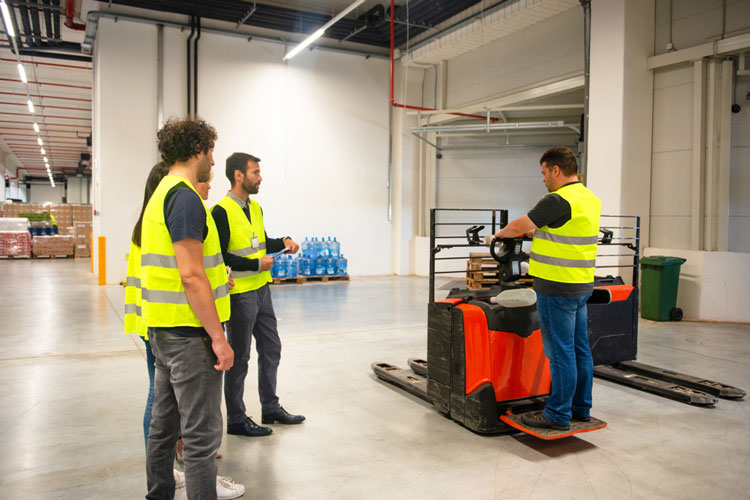
Forklifts are essential in warehouses, construction sites, and distribution centers, but they also present serious safety risks when not operated correctly. Implementing proper forklift training tips is critical to reducing accidents, protecting employees, and maintaining compliance with workplace safety standards. Whether you’re onboarding new operators or reinforcing safety protocols for experienced staff, understanding these key training practices can significantly improve your safety culture.
Why Forklift Training Matters in Every Workplace
Proper forklift training is not just a regulatory requirement—it is a proactive investment in workplace safety and operational efficiency. Accidents involving forklifts often result from lack of awareness, improper handling, or insufficient training.
Companies that prioritize structured training programs often experience:
- Reduced workplace injuries and liability risks
- Improved productivity and equipment lifespan
- Better compliance with OSHA safety regulations
By applying proven forklift training tips, businesses can create safer environments while maintaining operational flow.
1. Emphasize Pre-Operation Inspections
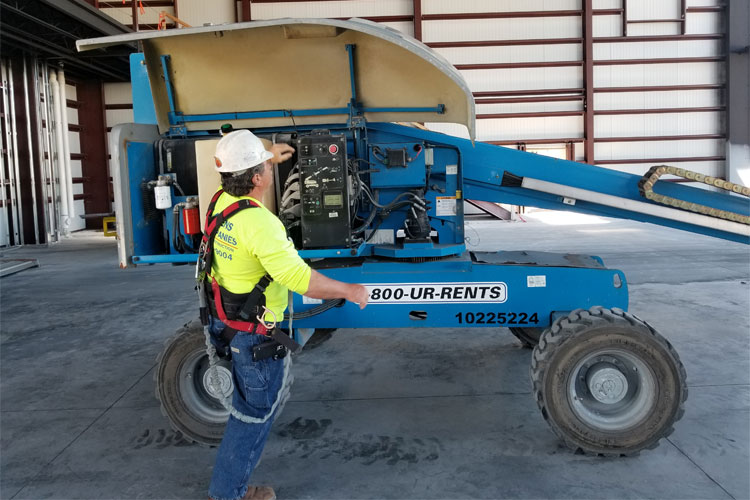
Before any forklift is put into operation, a thorough inspection should be completed. This step ensures that the equipment is functioning properly and minimizes the risk of mechanical failure during use.
Operators should be trained to inspect:
- Tires, brakes, and steering controls
- Hydraulic systems and fluid levels
- Forks, mast, and load backrest integrity
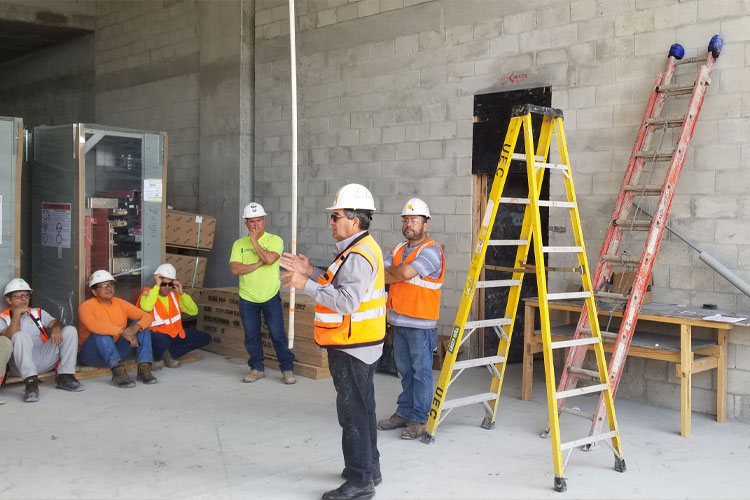
Training programs should include hands-on demonstrations and checklists. Companies can reinforce this practice by integrating inspection protocols into daily routines and referencing internal safety guides such as forklift safety checklist resources.
2. Teach Proper Load Handling Techniques
Incorrect load handling is one of the leading causes of forklift accidents. Operators must understand weight limits, load balancing, and proper lifting techniques to prevent tipping or dropped loads.
Key training elements should include:
Understanding Load Capacity
Each forklift has a specific load capacity. Exceeding this limit compromises stability and increases the risk of accidents.
Maintaining Load Stability
Loads should always be:
- Evenly distributed across the forks
- Carried low to the ground while moving
- Properly secured to avoid shifting
Safe Lifting Practices
Operators should avoid sudden movements and ensure clear visibility before lifting or transporting materials. Additional guidance can be found in safety-focused articles like material handling safety tips.
3. Reinforce Safe Driving Practices
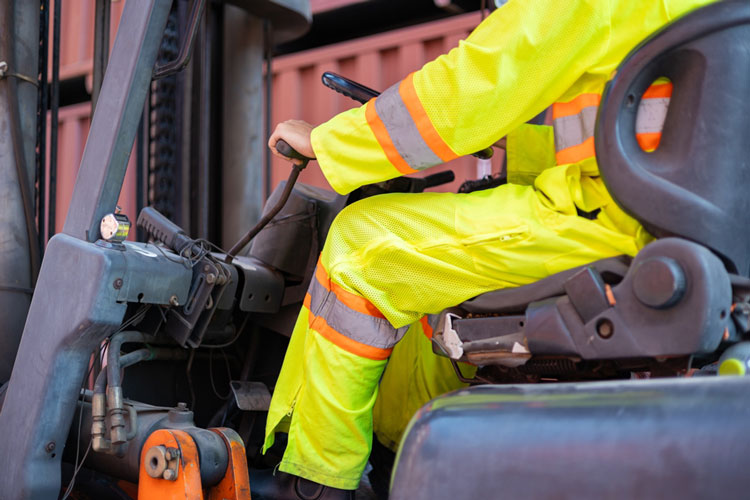
Forklift operation requires precision, awareness, and adherence to safety rules. Training should emphasize safe driving behaviors to reduce collisions and workplace incidents.
Important practices include:
Speed Control
Operators should maintain safe speeds, especially in high-traffic areas or tight spaces.
Visibility Awareness
When loads obstruct forward view, operators should drive in reverse or use spotters when necessary.
Pedestrian Safety
Clear communication between operators and pedestrians is essential. Establish designated walkways and enforce right-of-way rules.
Incorporating real-world scenarios into training sessions helps reinforce these forklift training tips and prepares operators for daily challenges.
4. Provide Ongoing Training and Certification Updates
Forklift training should not be a one-time event. Continuous education ensures that operators stay updated on safety standards and best practices.
Refresher Courses
Periodic refresher training helps reinforce knowledge and correct unsafe habits.
Performance Evaluations
Supervisors should regularly assess operator performance and provide feedback.
Regulatory Compliance
Staying compliant with OSHA requirements is critical. Businesses can explore resources like workplace safety compliance to stay informed.
By maintaining an ongoing training schedule, companies can reduce risk and improve operator confidence.
5. Promote a Culture of Safety Awareness
Beyond formal training, creating a culture that prioritizes safety is essential. Employees should feel responsible for maintaining safe practices and reporting hazards.
Encourage Communication
Workers should be encouraged to report unsafe conditions or behaviors without hesitation.
Use Signage and Visual Reminders
Clear signage can reinforce safety protocols and guide behavior in high-risk areas.
Leadership Involvement
Management should lead by example, demonstrating a commitment to safety initiatives.
Organizations can further support this culture by leveraging educational resources such as industrial safety training programs.
Final Thoughts on Forklift Training Tips
Implementing effective forklift training tips is one of the most impactful steps a business can take to enhance workplace safety. From proper inspections to ongoing education, each component plays a vital role in reducing risks and improving efficiency.
Think Safety Always specializes in delivering comprehensive safety training solutions designed to meet the unique needs of modern workplaces. Their expert-led programs focus on practical application, compliance, and long-term safety improvements, helping businesses build safer environments and more confident operators.
Frequently Asked Questions
What are the key components of forklift training?
Forklift training typically includes classroom instruction, hands-on operation, safety procedures, and performance evaluations to ensure operators are competent and compliant.
How often should forklift operators be retrained?
Operators should receive refresher training every three years or sooner if they demonstrate unsafe behavior or are involved in an incident.
What is the most common cause of forklift accidents?
The most common causes include improper load handling, speeding, lack of visibility, and inadequate operator training.
Do all forklift operators need certification?
Yes, OSHA requires all forklift operators to be properly trained and certified before operating equipment in the workplace.