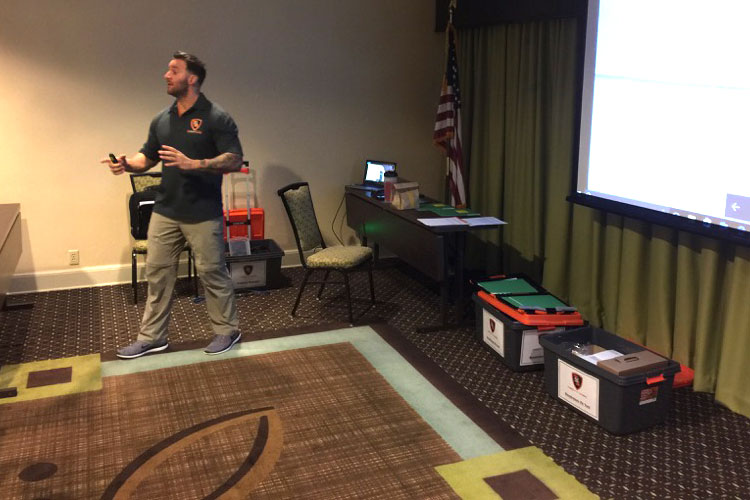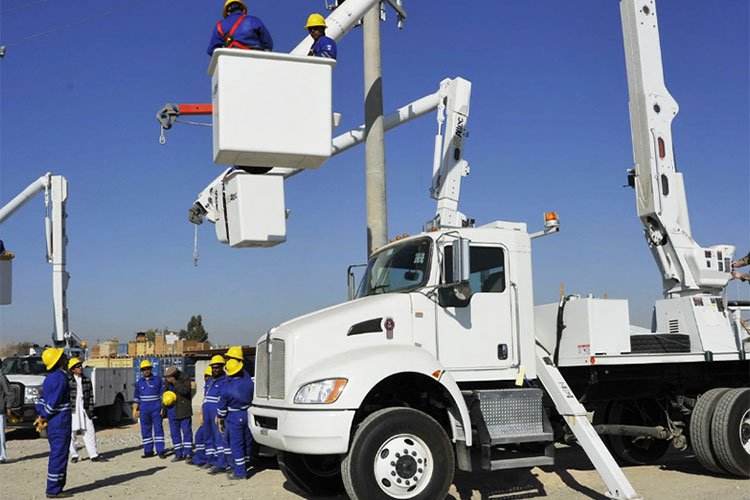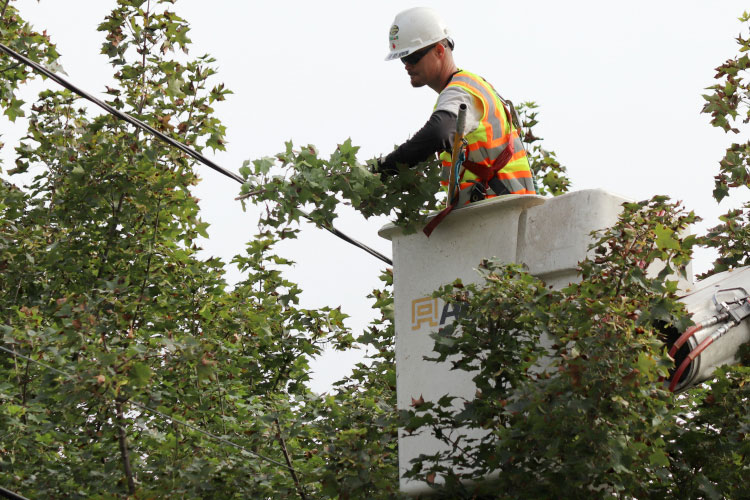

A safe workplace doesn’t happen by luck. It happens when companies create routines, systems, and habits that reduce risk before someone gets hurt. Across construction sites, warehouses, manufacturing floors, healthcare facilities, and office environments, the most successful safety programs have one thing in common: they are proactive, consistent, and reinforced from the top down.
That is exactly why Workplace Safety Training remains one of the most important investments any organization can make. Beyond compliance requirements, training strengthens daily decision-making, improves employee confidence, reduces incident costs, and supports a culture where people look out for each other. When safety becomes part of everyday operations—not an occasional reminder—risk decreases and performance improves.
Why safety programs fail without consistent training
Many businesses have safety policies in place, but policies alone are not protection. Written rules do not prevent injuries; behaviors do. Safety programs often fail when training is treated as a one-time onboarding task, or when it becomes “checkbox compliance” rather than a real operational priority.
Workplaces change constantly. New hires join teams. Equipment gets upgraded. Workflows evolve. The facility layout shifts. Weather conditions change. Vendor processes vary. Without ongoing reinforcement, even experienced employees begin cutting corners—often without realizing it. That’s when near-misses increase, injuries occur, and incident investigations reveal the same root cause: the risk was known, but not actively managed.
What effective Workplace Safety Training should include
Strong safety training is not just a slideshow about rules. It is a practical, role-specific system that prepares workers for real situations. The best programs teach employees how to recognize hazards, follow procedures, and make safe decisions under pressure—especially when time, productivity demands, or distractions increase.
A complete training program typically includes:
- Hazard identification so employees can spot risks before work begins
- Safe work procedures tied directly to the tools, equipment, and workflow employees use
- Incident prevention habits such as pre-task planning, job hazard analysis, and stop-work authority
Safety training must also match the working reality of the job. For example, forklift safety is not useful to a team that works mostly at heights. And office ergonomics training won’t reduce risk on an industrial floor if workers are exposed to heavy lifting hazards and moving equipment.
The hidden cost of accidents and near-misses
When organizations calculate safety costs, they often focus only on direct expenses, such as medical bills, workers’ compensation, insurance claims, or equipment replacement. However, indirect costs can be significantly higher and harder to predict.
One incident can cause lost productivity, schedule delays, staffing shortages, overtime costs, legal exposure, and reputational damage. It can also impact morale. Employees who witness unsafe conditions or repeated accidents may feel their well-being is not valued, which can lead to turnover and reduced engagement.
Near-misses matter as well. A near-miss isn’t “a close call you got away with.” It is a warning sign. If it happened once, it can happen again—and potentially with worse consequences. Proper Workplace Safety Training uses near-miss reporting as a strength, helping teams identify risks early and improve before injury occurs.
How Core safety topics connect to real-world performance
Safety is often viewed as separate from performance, but in high-performing organizations, safety supports productivity. Employees work more efficiently when the environment is stable, predictable, and organized. Training helps eliminate confusion about procedures and reduces downtime caused by unsafe setups, equipment misuse, or preventable mistakes.
Some of the most impactful real-world safety training topics include:
- PPE readiness and the correct selection/use of protective gear for each task
- Equipment operation rules for tools, vehicles, ladders, scaffolds, and powered machinery
- Emergency response actions for fire, injury response, evacuation, and site-specific incidents
When teams are trained well, they don’t need to guess what “safe enough” means. They already know the correct standard—and they have leadership support to follow it.
Creating a safety culture that lasts
Safety culture is not a slogan or a poster. Culture is what employees do when nobody is watching. A lasting culture happens when leaders reinforce the same safety expectations consistently and when employees feel supported—not blamed—when raising concerns.
Some organizations unintentionally discourage safety by promoting speed over preparation. If employees believe they will get in trouble for taking time to set up correctly, they may rush and skip precautions. Strong training works best when paired with leadership alignment: supervisors, managers, and owners must demonstrate that safety is a priority, especially during deadlines and high-demand periods.
Safety culture becomes sustainable when:
- Employees are trained to speak up and stop work when needed
- Supervisors reinforce safe behavior daily, not only after incidents
- Policies match real-life workflows instead of being “paper rules”
(These cultural elements do not need endless policies—they require consistent action.)
How often training should be updated
Workplace Safety Training is most effective when it’s continuous and structured. Training should not only happen at onboarding. It should be reinforced through scheduled refreshers, toolbox talks, policy updates, and short role-based coaching.
A practical training cycle includes onboarding, quarterly refreshers for common hazards, and immediate training updates whenever a process changes. Training should also be adjusted after incidents or near-misses so the organization learns and improves—not just reacts.
Most importantly, businesses should track training outcomes. That includes participation, comprehension, incident patterns, and behavior improvements. Training that cannot be measured is training that will eventually be ignored.
Why safety training protects your business and your people
Every business wants productivity, reliability, and a strong reputation. Those are hard to build if your workplace experiences repeated incidents, interruptions, and avoidable injuries. Safety training reduces operational unpredictability and builds stronger teams because employees can trust their environment and their leadership.
When safety is prioritized, companies also gain a recruiting advantage. Skilled workers prefer employers who take safety seriously, provide proper training, and maintain professional standards. In industries with competitive hiring, safety culture can become a differentiator—not just a compliance requirement.
And the core message is simple: protecting people is always the right decision. Workplace Safety Training is not a cost—it is a long-term investment in stability, professionalism, and responsibility.
How Think Safety Always supports safer workplaces
At the heart of every successful safety program is consistency and expertise. Think Safety Always. helps organizations strengthen their safety practices through professional Workplace Safety Training that focuses on practical prevention, compliance support, and real-world jobsite and workplace readiness. Whether your team needs refreshers, process improvements, or a stronger safety culture foundation, Think Safety Always provides the guidance and training structure to help reduce risk and protect your workforce.
Frequently Asked Questions
What is Workplace Safety Training and why is it important?
Workplace Safety Training teaches employees how to recognize hazards, follow safe procedures, and prevent incidents. It’s essential for compliance, risk reduction, and long-term productivity.
How often should safety training be provided?
Most organizations benefit from onboarding training plus quarterly or semiannual refreshers, with additional training whenever equipment, procedures, or risks change.
Does safety training reduce insurance costs?
It often can. Fewer incidents may reduce claims and may improve risk profile over time, depending on your insurer and industry.
What industries benefit most from safety training?
All industries benefit, but it is especially critical for construction, manufacturing, warehousing, logistics, healthcare, and any work involving equipment, lifting, or hazardous materials.