
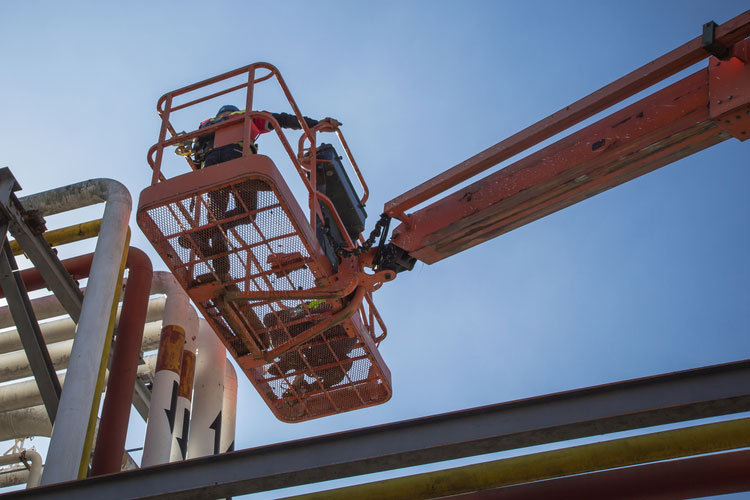
Operating aerial lifts requires more than basic equipment knowledge—it demands a structured approach to safety, compliance, and operator competency. An effective aerial lift training checklist ensures that workers understand hazards, follow OSHA regulations, and perform tasks at height with confidence and control. Whether using scissor lifts, boom lifts, or vertical mast lifts, having a standardized checklist reduces incidents and reinforces a culture of safety across the job site.
Why an Aerial Lift Training Checklist Matters
An aerial lift training checklist is essential for maintaining consistent safety practices across all operators and job environments. Without proper training and verification, risks such as falls, tip-overs, and equipment malfunctions increase significantly. Employers are responsible for ensuring that operators are trained, evaluated, and retrained when necessary.
A comprehensive checklist helps:
- Ensure OSHA compliance with aerial lift operation standards
- Reduce workplace accidents by identifying hazards early
- Improve operator confidence through structured procedures
- Standardize training across teams and job sites
For a deeper understanding of safety programs, visit Think Safety Always and explore their training resources.
Pre-Operation Inspection Checklist
Before any aerial lift is used, operators must perform a thorough inspection. This step is critical in identifying mechanical or safety issues that could lead to accidents.
Equipment Condition and Functionality
Operators should verify that all components are functioning properly. This includes:
Controls, brakes, tires, guardrails, and emergency systems. Any malfunction must be reported and resolved before operation.
Work Area Assessment
Evaluate the surrounding environment for hazards such as:
Uneven surfaces, overhead obstructions, power lines, and weather conditions. A safe work zone must be established prior to lifting operations.
Learn more about workplace hazard awareness through aerial lift training programs designed to prepare operators for real-world conditions.
Operator Safety Requirements
Proper operator behavior is a key component of any aerial lift training checklist. Even with well-maintained equipment, unsafe actions can lead to serious injuries.
Personal Protective Equipment (PPE)
Operators must wear appropriate PPE, including:
Hard hats, safety harnesses (when required), non-slip footwear, and high-visibility clothing.
Safe Operating Practices
Operators should always:
Maintain stable positioning, avoid overreaching, and keep both feet on the platform floor. Sudden movements or leaning outside guardrails can destabilize the lift.
Operational Best Practices
Following best practices during lift operation ensures both safety and efficiency.
Load Management
Never exceed the lift’s rated capacity. This includes:
Personnel, tools, and materials combined. Overloading can lead to tipping or structural failure.
Movement and Positioning
When repositioning the lift:
Lower the platform before moving, maintain slow speeds, and avoid sharp turns. Always be aware of nearby workers and obstacles.
For additional safety insights, check out workplace safety training resources that reinforce operational discipline.
Emergency Preparedness and Procedures
An often-overlooked part of the aerial lift training checklist is emergency readiness. Operators must be trained to respond quickly and effectively in unexpected situations.
Emergency Controls Familiarity
Operators and ground personnel should understand how to use:
Emergency lowering systems and shut-off controls. This ensures rapid response if the operator becomes incapacitated.
Rescue Planning
Every job site should have a clear rescue plan in place. This includes:
Communication protocols, designated responders, and access to first aid equipment.
Post-Operation Responsibilities
Safety does not end once the task is complete. Post-operation procedures are essential for maintaining equipment and ensuring readiness for future use.
Equipment Shutdown and Storage
After use, operators should:
Lower the platform completely, turn off controls, and secure the lift in a designated area.
Reporting and Documentation
Any issues encountered during operation must be documented. This helps:
Identify recurring problems and improve future safety practices.
Explore compliance-focused training solutions at OSHA training programs to keep your team aligned with regulations.
Common Mistakes to Avoid
Even experienced operators can develop unsafe habits. Recognizing these mistakes is a key part of maintaining a strong safety culture.
- Skipping pre-use inspections due to time pressure
- Ignoring load limits when carrying extra materials
- Operating in unsafe weather conditions such as high winds
- Failing to use fall protection equipment when required
Building a Culture of Safety with Proper Training
An effective aerial lift training checklist is not just a document—it’s a framework for building safer job sites. When employees are trained consistently and thoroughly, they are more likely to recognize risks, follow procedures, and protect themselves and others.
Regular refresher training, hands-on evaluations, and updated safety protocols ensure that your team remains compliant and prepared for evolving workplace challenges.
Why Choose Think Safety Always
Think Safety Always is a trusted provider of professional safety training solutions, including comprehensive aerial lift certification programs. Their expert-led courses are designed to meet OSHA standards while delivering practical, real-world knowledge that operators can apply immediately.
With a focus on compliance, risk reduction, and workforce safety, Think Safety Always helps businesses create safer environments and reduce liability. Whether you need initial certification or refresher training, their programs are tailored to meet the needs of your organization.
Frequently Asked Questions
What should be included in an aerial lift training checklist?
An effective checklist should cover equipment inspection, operator safety practices, hazard identification, emergency procedures, and post-operation protocols to ensure full compliance and safety.
How often should aerial lift operators be retrained?
Operators should be retrained whenever there is a change in equipment, job conditions, or if unsafe operation is observed. Periodic refresher training is also recommended to maintain compliance.
Is fall protection required when using aerial lifts?
Fall protection requirements depend on the type of lift. Boom lifts typically require harnesses, while scissor lifts may not, but always follow OSHA guidelines and company policies.
Who is responsible for aerial lift safety training?
Employers are responsible for ensuring that all operators are properly trained, evaluated, and certified before using aerial lift equipment.