
Modern worksites depend heavily on specialized equipment to move materials, reach elevated areas, and keep projects moving efficiently. Forklifts, telehandlers, and aerial lifts are essential tools across industries such as construction, warehousing, logistics, and manufacturing. However, these machines also present serious operational risks when used improperly. That is why Forklift Telehandler and Aerial Lift Training is a critical investment for organizations that want to maintain safe operations while maximizing productivity.
When workers understand proper operating techniques, hazard awareness, and safety protocols, companies benefit from fewer accidents, reduced downtime, and stronger operational performance. Training programs not only help employees develop the technical skills needed to operate equipment safely, but also reinforce a culture of accountability and workplace awareness.
The growing importance of equipment safety training
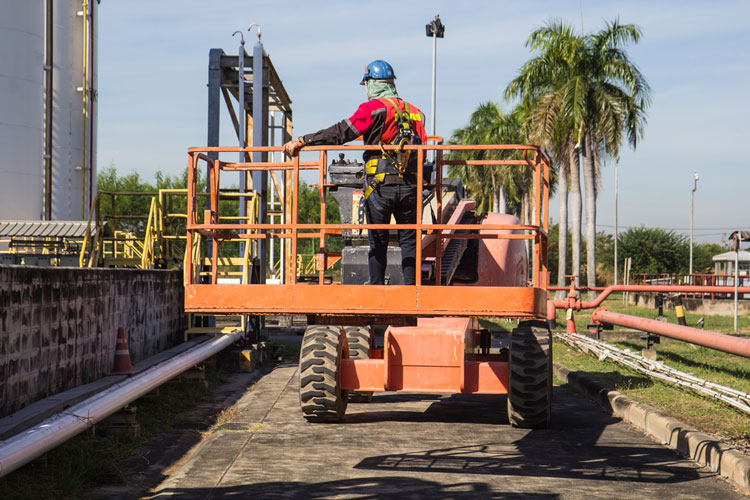
Industrial equipment is powerful and efficient, but it must be handled responsibly. Forklifts transport heavy loads, telehandlers lift materials across challenging jobsite environments, and aerial lifts elevate workers to perform tasks at height. Each of these machines introduces potential hazards if operators lack proper training or awareness.
Organizations that implement structured Forklift Telehandler and Aerial Lift Training programs create a safer work environment because employees gain the knowledge needed to recognize hazards and avoid dangerous situations. Proper training teaches operators how to handle loads safely, maintain equipment stability, and navigate crowded or confined worksites.
Beyond safety compliance, training improves operator confidence. Workers who understand the capabilities and limitations of their equipment perform tasks more efficiently and with greater precision.
How training reduces workplace accidents
Workplace incidents involving lifting equipment often occur due to preventable errors. Improper load balancing, unsafe driving speeds, lack of awareness around pedestrians, or incorrect positioning of lifts can lead to serious injuries or property damage.
Effective safety training focuses on the most common operational risks and teaches employees how to prevent them. Programs typically cover topics such as:
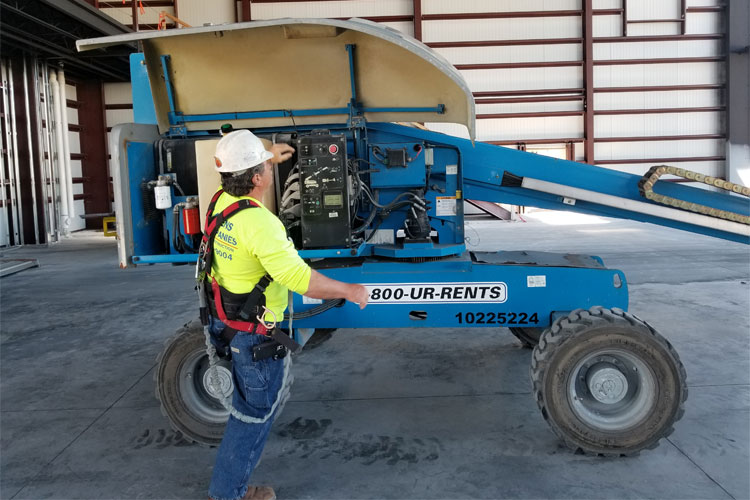
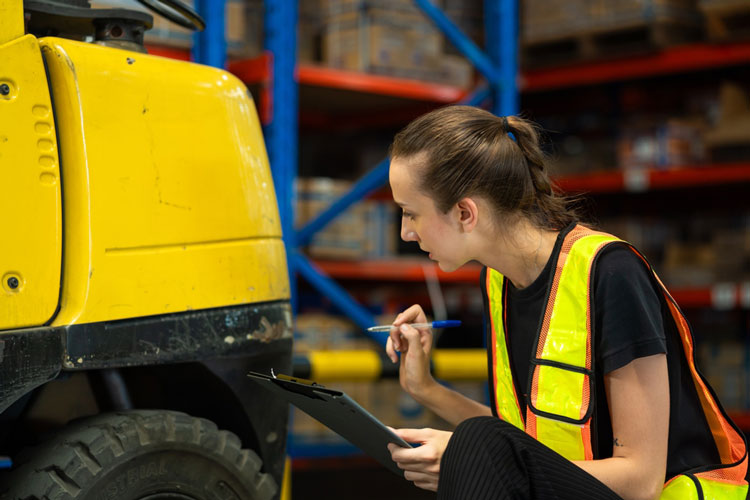
- Equipment inspection procedures before each shift
- Safe load handling and stability principles
- Jobsite hazard awareness and communication protocols
By reinforcing these core practices, companies significantly reduce the likelihood of incidents that can halt operations and put workers at risk.
Productivity benefits of skilled equipment operators
While safety is the primary objective, Forklift Telehandler and Aerial Lift Training also contributes directly to improved productivity. Skilled operators complete tasks faster and with fewer mistakes, helping projects stay on schedule.
When employees receive structured training, they become more efficient at maneuvering equipment in tight spaces, positioning loads accurately, and coordinating with team members. This efficiency reduces delays and allows work crews to maintain a steady workflow throughout the day.
In addition, well-trained operators tend to treat equipment more carefully, which reduces wear and tear on machines and lowers maintenance costs. Organizations that prioritize operator training often experience longer equipment lifespans and fewer mechanical failures.
Strengthening compliance and workplace standards
Regulatory agencies place strong emphasis on equipment safety in high-risk industries. Training programs help companies meet these expectations by ensuring operators understand safety requirements and proper operating procedures.
A structured training framework often includes:
- Operator certification and documented competency evaluations
- Safety procedures for elevated work platforms and heavy lifting equipment
- Emergency response protocols in case of equipment malfunction or workplace hazards
By implementing standardized training programs, companies demonstrate a commitment to compliance and responsible operations. This not only protects workers but also strengthens an organization’s reputation among clients, contractors, and regulators.
Building a safety-first workplace culture
Training programs play an important role in shaping workplace culture. When employees see that safety education is a priority, they are more likely to follow established procedures and communicate openly about potential hazards.
A strong safety culture encourages workers to take ownership of their responsibilities. Operators who complete comprehensive Forklift Telehandler and Aerial Lift Training understand that their decisions affect not only their own safety but also the wellbeing of coworkers on the jobsite.
Companies that emphasize training often experience higher morale, improved teamwork, and better communication between workers and supervisors. This collaborative environment helps prevent accidents before they occur.
Key skills developed through equipment training programs
Professional training programs focus on practical knowledge that operators can immediately apply on the job. Participants typically gain expertise in several areas, including:
- Understanding equipment controls and operating limitations
- Recognizing jobsite hazards such as uneven terrain or overhead obstacles
- Maintaining safe distances from workers and structures during operation
These skills empower operators to make informed decisions in real-world working conditions, where safety and efficiency must coexist.
Why professional training programs matter
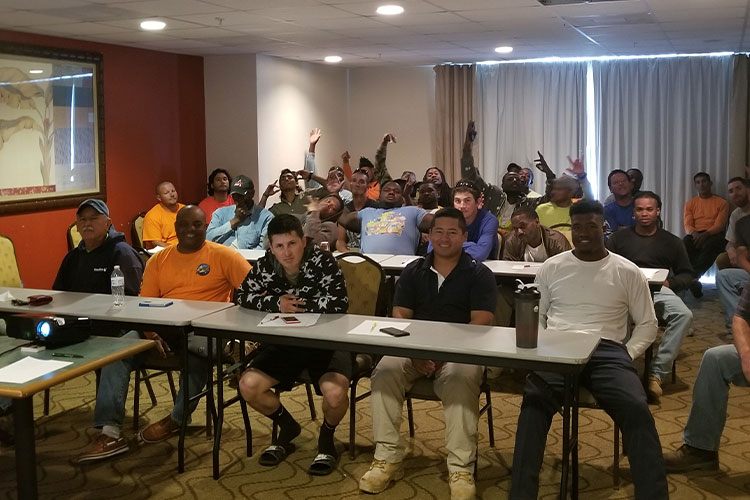
Not all safety training programs provide the same level of effectiveness. Professional instruction ensures that operators receive up-to-date information, hands-on practice, and guidance from experienced trainers.
Organizations that invest in high-quality Forklift Telehandler and Aerial Lift Training programs gain more than regulatory compliance. They develop a workforce capable of operating equipment confidently, responding to hazards proactively, and maintaining consistent productivity across projects.
How Think Safety Always supports workplace safety
Think Safety Always provides professional safety training programs designed to help organizations reduce risk while improving operational efficiency. Their programs include comprehensive Forklift Telehandler and Aerial Lift Training that equips workers with the knowledge and practical skills needed to operate heavy equipment safely.
By focusing on real-world applications, Think Safety Always helps companies strengthen safety culture, improve workforce confidence, and maintain compliance with industry standards. Their training solutions support businesses across construction, logistics, manufacturing, and other industries where safe equipment operation is essential.
Frequently Asked Questions
Why is forklift and aerial lift training important?
Proper training helps operators understand equipment limitations, recognize jobsite hazards, and follow safe operating procedures, which significantly reduces the risk of accidents.
How does equipment training improve workplace productivity?
Trained operators perform tasks more efficiently, avoid costly mistakes, and maintain smoother workflows across projects.
Who should receive forklift and aerial lift training?
Any employee responsible for operating lifting equipment, including forklifts, telehandlers, and aerial lifts, should receive formal training and evaluation.
How often should safety training be updated?
Training should be refreshed periodically or whenever equipment types change, new safety standards are introduced, or operators require skill updates.