
Construction projects change every day. New subcontractors arrive, work areas shift, equipment moves, and crews begin tasks that introduce different hazards. Because conditions evolve so quickly, safety cannot depend on a one-time orientation or a written manual alone. Onsite construction safety consulting helps contractors establish a practical approach to hazard recognition, employee training, OSHA awareness, and ongoing jobsite safety.
An experienced safety consultant can evaluate how work is actually being performed and help management identify opportunities to strengthen procedures before unsafe conditions contribute to an incident. Combined with professional OSHA safety training, consulting gives construction companies a stronger framework for protecting workers while maintaining productive operations.
What Is Onsite Construction Safety Consulting?
Onsite construction safety consulting brings professional safety expertise directly to an active project. Instead of addressing safety only through classroom instruction or written policies, a consultant evaluates conditions where employees are performing their daily work.
The objective is to connect safety requirements with real jobsite activities. This may involve observing work practices, identifying hazards, reviewing procedures, discussing concerns with supervisors, and determining where additional employee training may be beneficial.
Effective safety consulting should be proactive rather than reactive. Identifying an unsafe condition before an injury or enforcement issue occurs gives contractors an opportunity to correct the problem, educate employees, and establish better practices.
Depending on the project and scope of work, consultants may evaluate:
- Fall hazards, access points, ladders, scaffolds, and elevated work areas
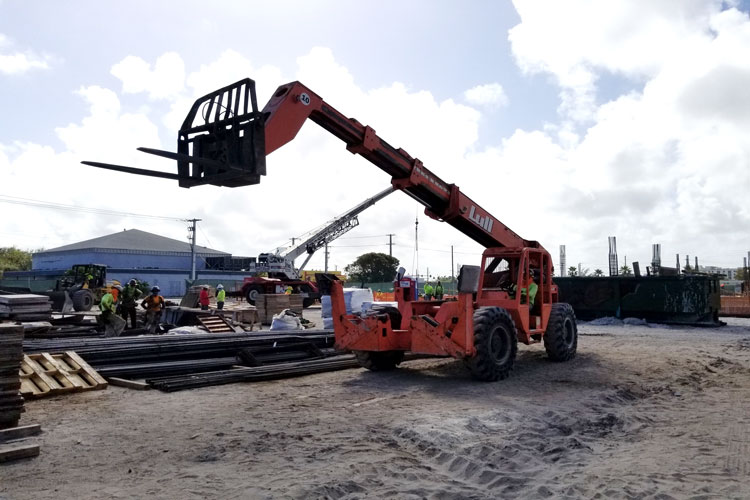
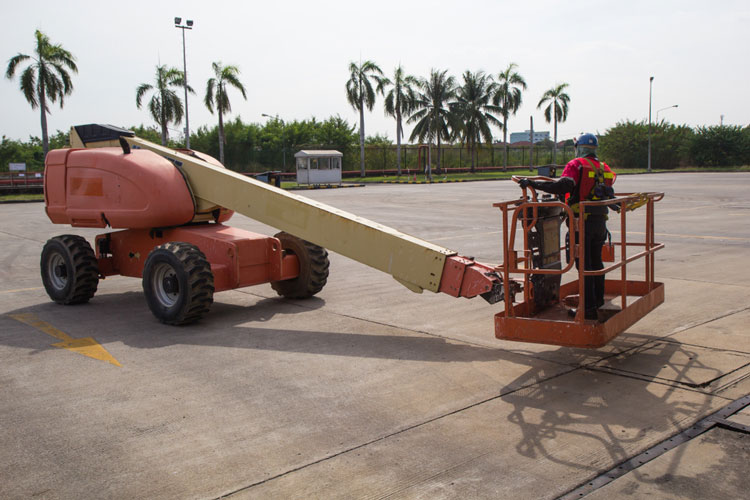
- Heavy equipment, forklifts, aerial lifts, and material-handling activities
- Personal protective equipment and employee work practices
- Electrical, confined-space, silica, rigging, and struck-by hazards
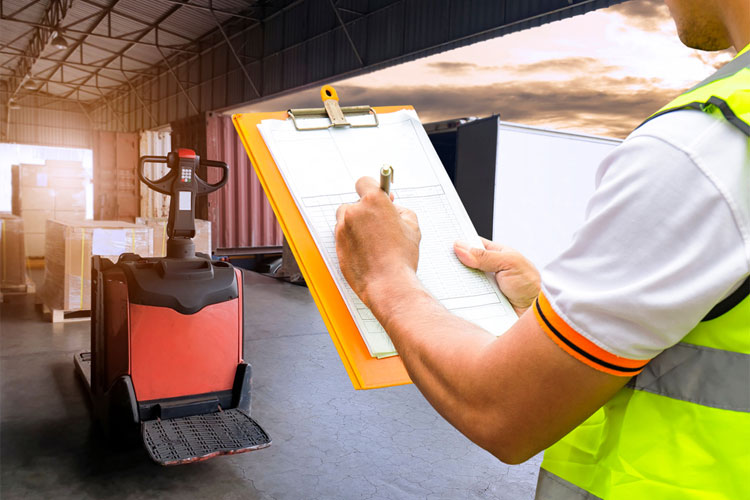
- Jobsite documentation, safety procedures, and employee training needs
The findings can then be used to determine which risks require immediate attention and which areas should become part of a longer-term safety strategy.
Why Construction Sites Benefit From Professional Safety Consulting
Construction presents a unique safety challenge because the workplace itself is continuously changing. A procedure that was appropriate during site preparation may no longer address the hazards present during structural work, mechanical installation, roofing, finishing, or closeout.
Subcontractors also introduce different equipment, processes, and employee experience levels. Without consistent oversight, these changes can create gaps between written safety policies and actual field practices.
Onsite construction safety consulting helps bridge that gap.
A consultant provides an outside perspective that can identify hazards supervisors and experienced employees may begin to overlook simply because they encounter the same conditions every day. That additional perspective can be particularly valuable during new project phases, after changes in equipment or procedures, or when contractors are expanding their workforce.
Companies can also use professional OSHA third-party safety inspections to identify potential hazards and strengthen their overall approach to jobsite safety.
Combining OSHA Training With Jobsite Safety Consulting
Safety training and safety consulting perform different but complementary functions.
Training teaches workers and supervisors how to recognize hazards and follow appropriate procedures. Consulting examines how those principles are being applied under actual working conditions.
When both are used together, employers can create a continuous improvement cycle: train employees, observe workplace practices, identify gaps, correct problems, and provide additional instruction when necessary.
For example, employees who work around fall hazards may benefit from dedicated OSHA fall protection training. A consultant can then evaluate the jobsite to determine whether fall-protection practices are being followed consistently as project conditions change.
This connection between instruction and field application makes safety training more relevant because workers can see how classroom concepts relate directly to the tasks they perform.
Strengthening Hazard Recognition Before Work Begins
One of the most important elements of construction safety is recognizing hazards before employees begin a task.
Planning gives supervisors an opportunity to evaluate the work area, equipment, environmental conditions, access requirements, and interaction between different trades. When risks are discovered before work starts, controls can be established before workers are exposed.
An onsite construction safety consulting program can help management develop a more systematic approach to this process.
Instead of treating safety as a separate administrative requirement, hazard recognition becomes part of everyday project planning. Supervisors can incorporate safety considerations into scheduling, crew assignments, equipment selection, and coordination between subcontractors.
Safety Consulting Supports Supervisors and Workers
A strong safety program depends on participation at every level of a construction organization. Management establishes expectations, supervisors implement them in the field, and employees must understand how those expectations apply to their individual responsibilities.
Safety consultants can help connect these groups.
Rather than simply identifying deficiencies, an experienced consultant can explain why a condition presents a hazard and what actions can help reduce exposure. This educational approach gives supervisors additional knowledge they can use when similar conditions arise later in the project.
Workers also benefit when expectations are clear and consistent. Employees should understand which hazards require attention, what protective measures are expected, and who they should contact when an unfamiliar condition develops.
Creating a Stronger Construction Safety Culture
Policies alone do not create a safe workplace. Safety becomes part of the culture when employees see that management consistently treats hazard prevention as an operational priority.
That requires communication, accountability, training, and leadership.
Management should encourage employees to report unsafe conditions without hesitation. Supervisors should reinforce procedures consistently instead of waiting until an inspection or incident occurs. Training should also be refreshed when new equipment, tasks, or hazards are introduced.
A productive safety culture commonly includes:
- Visible management participation in workplace safety
- Regular employee training and jobsite safety discussions
- Prompt correction of recognized hazards
- Clear procedures for reporting unsafe conditions
- Continued review of safety practices as projects evolve
Construction companies that reinforce these principles can make hazard awareness part of normal project operations instead of something employees think about only during scheduled training.
The Role of OSHA Outreach Training
OSHA Outreach Training provides workers and employers with important information about workplace hazards, worker rights, employer responsibilities, and methods for preventing occupational injuries.
For construction companies, programs such as OSHA 10 Construction Industry Training can provide workers with a stronger foundation for recognizing common construction hazards.
However, training is most valuable when employees apply what they learn after returning to the jobsite.
That is another reason consulting and training work effectively together. Training builds knowledge, while field observation helps determine whether that knowledge is translating into safer practices.
When Should a Contractor Consider Safety Consulting?
There does not need to be an accident or OSHA inspection before a contractor seeks professional safety assistance.
In fact, consulting can provide the greatest value when it is used proactively.
A company may consider outside safety expertise when beginning a major project, expanding operations, introducing new equipment, hiring large numbers of employees, working with multiple subcontractors, or entering a project involving unfamiliar hazards.
Periodic reviews can also help established companies identify areas where procedures have gradually become inconsistent.
The goal should be to discover weaknesses before those weaknesses contribute to an injury, project disruption, or compliance problem.
Choose Think Safety Always for Construction Safety Expertise
Think Safety Always provides professional safety training and consulting designed to help construction companies develop safer, more informed workplaces. As an Authorized OSHA Outreach Trainer, the company combines OSHA-focused instruction with practical experience addressing hazards encountered in construction and industrial environments.
Think Safety Always offers onsite training nationwide and provides programs covering construction safety, fall protection, aerial and scissor lifts, forklifts, rough-terrain forklifts, confined spaces, HAZWOPER, rigging and signaling, suspended scaffolds, crystalline silica, EM 385 fall protection, OSHA Outreach courses, and other specialized safety topics.
By combining onsite construction safety consulting, employee education, third-party inspections, and specialized training, Think Safety Always helps employers build safety programs that extend beyond minimum requirements and become part of everyday operations.
Construction conditions will continue to change throughout every project. A strong safety program changes with them. Working with experienced safety professionals gives contractors the knowledge and support needed to recognize hazards, reinforce safe practices, and keep safety at the center of every job.
Frequently Asked Questions
What does a construction safety consultant do on a jobsite?
A construction safety consultant evaluates workplace conditions and practices to identify potential hazards and opportunities for improvement. Depending on the scope of the consultation, this can include observing employee activities, reviewing safety procedures, evaluating equipment-related hazards, identifying training needs, and helping management strengthen its overall safety program.
How does safety consulting help with OSHA compliance?
Safety consulting can help employers better understand workplace hazards and how OSHA requirements may apply to their operations. Consultants can identify potential deficiencies, review existing procedures, recommend corrective measures, and provide appropriate training. The objective is to address safety concerns proactively rather than waiting for an incident or regulatory inspection.
How often should construction sites receive safety inspections?
The appropriate frequency depends on the size and complexity of the project, the hazards involved, changes in work activities, and the employer’s safety program. Because construction sites evolve rapidly, safety conditions should be evaluated regularly and whenever new operations, equipment, subcontractors, or significant hazards are introduced.
Why should construction companies use an OSHA-authorized trainer?
OSHA-authorized Outreach trainers have completed the required trainer qualifications for delivering applicable OSHA Outreach Training Program courses. Working with an authorized trainer helps employers and workers receive structured instruction covering workplace hazards, prevention strategies, worker rights, and employer responsibilities relevant to their industry.