

Workplace safety is far more than a regulatory requirement—it is a long-term investment in people, productivity, and business success. A safety-driven workforce is built when employees understand workplace hazards, follow proven safety procedures, and receive the right OSHA training for the tasks they perform. Companies that prioritize continuous safety education experience fewer incidents, stronger employee confidence, improved operational efficiency, and greater regulatory compliance. Whether operating in construction, manufacturing, utilities, warehousing, or industrial environments, organizations that commit to ongoing OSHA education create safer jobsites and stronger businesses.
Why Building a Safety-Driven Workforce Matters
Every workplace contains hazards that can lead to injuries, equipment damage, production delays, and costly OSHA violations if they are not properly managed. Building a safety-driven workforce means creating an environment where every employee understands their role in identifying hazards before they become incidents.
Rather than viewing safety as a checklist completed during onboarding, leading organizations treat it as an ongoing process. Employees who receive continuous training are better prepared to recognize unsafe conditions, communicate concerns, and follow established procedures under changing jobsite conditions.
Safety-focused companies often experience additional benefits beyond compliance, including higher employee retention, improved morale, lower insurance costs, and greater customer confidence. Investing in OSHA training demonstrates that an employer values both worker wellbeing and operational excellence. OSHA training continues to play a critical role in reducing workplace hazards and strengthening safety management systems across industries. :contentReference[oaicite:0]{index=0}
How OSHA Training Supports a Safety-Driven Workforce
OSHA training provides workers with practical knowledge they can apply every day. Rather than simply explaining regulations, quality training teaches employees how to recognize hazards, select appropriate protective equipment, follow safe operating procedures, and respond effectively during emergencies.
A safety-driven workforce understands:
- How to identify workplace hazards before incidents occur.
- Proper use of personal protective equipment (PPE).
- Safe equipment operating procedures.
- Hazard communication requirements.
- Fall protection principles.
- Electrical safety awareness.
- Emergency response responsibilities.
- Accident prevention through hazard recognition.
Employees who understand why safety procedures exist are much more likely to follow them consistently than workers who simply memorize rules.
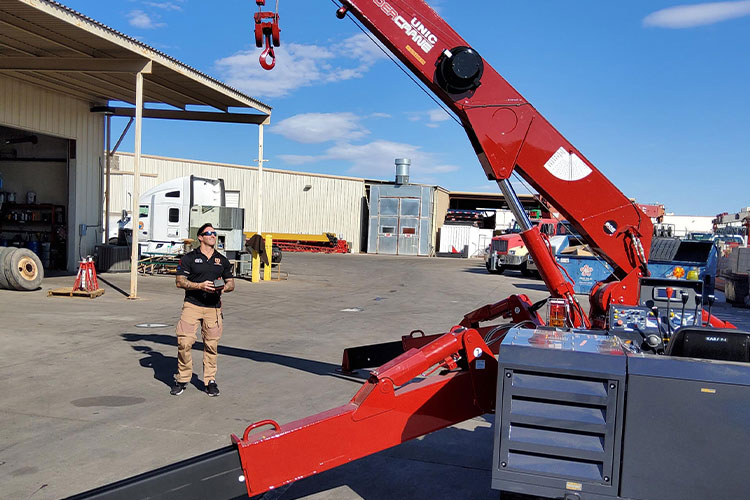
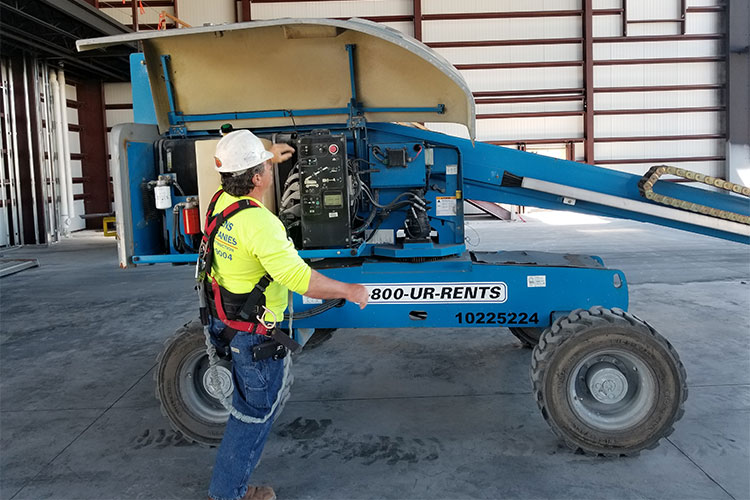
For companies with specialized operations, additional training such as confined space, HAZWOPER, forklift, crane, aerial lift, or electrical hazard awareness further strengthens overall workplace safety.
To learn more about available programs, visit OSHA Safety Training.
Safety Culture Starts With Leadership
A true safety-driven workforce begins with leadership. Supervisors and managers establish expectations by consistently demonstrating safe work practices and supporting employee participation in safety initiatives.
Strong leadership includes:
- Providing ongoing OSHA training throughout the year.
- Encouraging employees to report hazards without fear.
- Conducting routine jobsite inspections.
- Addressing safety concerns immediately.
- Reviewing incidents to prevent recurrence.
- Celebrating safe work performance.
When management actively participates in safety programs instead of treating them as administrative requirements, employees recognize that workplace safety is a genuine organizational priority.
Building Long-Term Safety Habits
Training alone does not create a safety-driven workforce. Employees develop safe habits through repetition, coaching, accountability, and continuous improvement.
Routine Safety Meetings
Short toolbox talks reinforce important topics before work begins. These discussions help workers prepare for changing jobsite conditions while encouraging communication between crews and supervisors.
Jobsite Evaluations
Regular inspections identify developing hazards before they become accidents. Corrective actions should be documented and communicated promptly.
Companies can strengthen compliance through professional OSHA Third-Party Safety Inspections that provide independent evaluations of workplace conditions.
Continuous Learning
OSHA standards evolve, equipment changes, and new hazards emerge. Refresher training ensures workers stay current with modern safety practices instead of relying on outdated information.
The Business Value of a Safety-Driven Workforce
Many employers initially pursue OSHA training to satisfy regulatory requirements. However, the long-term return extends well beyond compliance.
A safety-driven workforce often contributes to:
Reduced Workplace Injuries
Employees who recognize hazards early are less likely to experience preventable incidents.
Improved Productivity
Safe operations reduce downtime caused by accidents, equipment damage, and investigations.
Lower Financial Risk
Fewer injuries can reduce workers’ compensation costs, project delays, legal exposure, and insurance expenses.
Greater Employee Confidence
Workers who feel protected are generally more engaged, productive, and committed to their employer.
Stronger Reputation
Clients increasingly prefer contractors and employers who demonstrate a consistent commitment to workplace safety and OSHA compliance.
Research consistently shows that organizations with mature safety cultures experience fewer recordable incidents and stronger overall operational performance. :contentReference[oaicite:1]{index=1}
Choosing the Right OSHA Training
Not every workplace requires identical training. Selecting programs based on actual job responsibilities helps employees receive relevant instruction that supports daily operations.
Depending on the industry, organizations may benefit from programs such as:
OSHA 10 Construction Industry Training for entry-level construction personnel.
HAZWOPER Safety Training for employees working around hazardous substances.
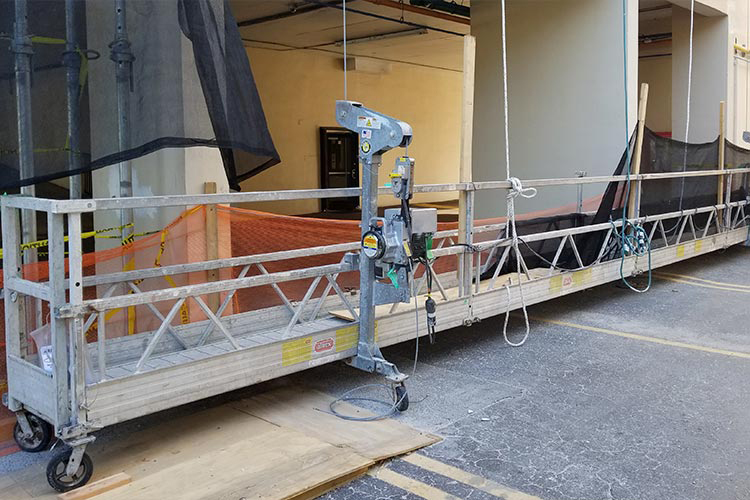
Additional specialized training may include fall protection, confined space, EHAP, forklift operation, aerial lifts, suspended scaffolds, rigging, signaling, and many other OSHA-related programs depending on workplace hazards.
The objective is not simply obtaining documentation—it is ensuring employees understand how to work safely every day.
Partner With Think Safety Always
Building a safety-driven workforce requires experienced instructors, practical training, and programs tailored to your industry’s risks. Think Safety Always provides comprehensive OSHA safety training, specialized equipment operator training, third-party safety inspections, and workplace safety consulting designed to help organizations strengthen compliance while protecting their most valuable asset—their employees.
Whether your company needs OSHA outreach training, fall protection instruction, confined space education, HAZWOPER, forklift certification, or customized safety solutions, the experienced team at Think Safety Always delivers practical training that prepares workers to recognize hazards, reduce risk, and build a stronger culture of workplace safety for years to come.
Frequently Asked Questions
What does it mean to build a safety-driven workforce?
A safety-driven workforce is one where employees consistently prioritize hazard recognition, safe work practices, communication, and OSHA compliance as part of their daily responsibilities rather than treating safety as an occasional requirement.
How often should OSHA safety training be refreshed?
The frequency depends on OSHA requirements, company policies, job duties, equipment changes, and workplace hazards. Many employers conduct refresher training annually along with regular toolbox talks throughout the year.
Can OSHA training help reduce workplace accidents?
Yes. Effective OSHA training improves hazard recognition, reinforces safe work procedures, and helps employees make better decisions before incidents occur, contributing to lower injury rates.
Which industries benefit most from OSHA safety training?
Construction, manufacturing, utilities, transportation, warehousing, healthcare, municipalities, energy, and industrial operations all benefit from OSHA training because employees regularly encounter workplace hazards that require proper safety knowledge.