
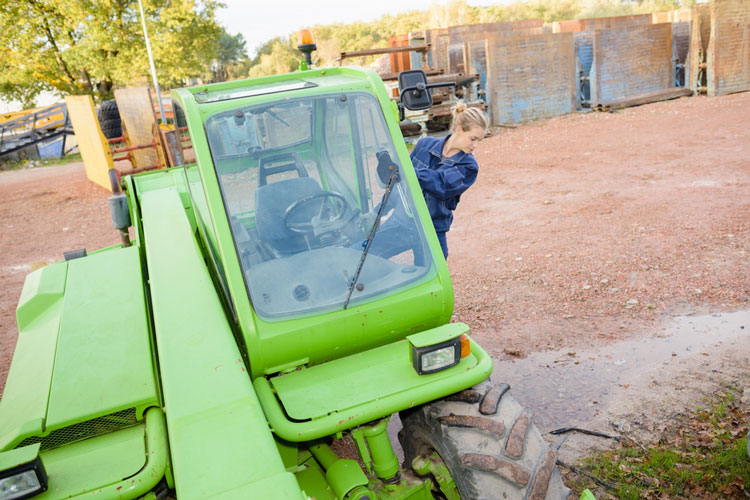
Construction, industrial, and logistics job sites rely heavily on specialized equipment to move materials efficiently and safely. Among the most versatile machines used today is the telehandler, also known as a telescopic handler. These powerful machines combine the lifting capabilities of forklifts with the reach of cranes, allowing operators to transport heavy loads across uneven terrain and elevated areas. Because of the complexity and power of this equipment, Telehandler Training has become an essential requirement for modern job sites focused on safety, efficiency, and regulatory compliance.
As construction projects grow more complex and deadlines become tighter, companies cannot afford accidents, equipment misuse, or costly downtime. Proper training ensures operators understand both the capabilities and limitations of telehandlers, reducing risks while improving productivity across the worksite.
The growing role of telehandlers in modern construction
Telehandlers have become a staple across construction, manufacturing, agriculture, and warehouse environments. Their ability to extend outward and upward allows operators to place materials in locations that traditional forklifts cannot reach. This makes them particularly useful for tasks such as lifting building materials to upper floors, moving pallets across rough terrain, and supporting structural assembly work.
However, with greater versatility comes greater responsibility. Telehandlers operate with long telescoping booms that significantly affect balance, load stability, and operating conditions. Without proper knowledge and training, operators may unintentionally create dangerous situations, such as tipping hazards or unstable loads. This is why structured Telehandler Training is vital for anyone operating or supervising this type of equipment.
Why telehandler training improves workplace safety
Safety remains the primary reason organizations invest in professional training programs. Telehandlers can handle heavy loads at extended heights, and improper operation can quickly lead to accidents. Trained operators understand how to assess job site conditions, evaluate load capacities, and maintain equipment stability.
When workers receive professional training, they learn how to recognize potential hazards before they escalate. For example, trained operators know how ground conditions, slope angles, and attachment types can influence equipment performance. These insights significantly reduce the likelihood of tipping incidents, dropped loads, or collisions with structures and personnel.
Beyond equipment operation, training programs also emphasize situational awareness, communication protocols, and emergency procedures. This broader understanding ensures operators contribute to a culture of safety rather than simply focusing on machinery.
Key skills developed during telehandler training
Professional telehandler instruction focuses on both technical operation and safety awareness. Operators gain the knowledge needed to manage equipment responsibly while maintaining productivity on the job site.
- Understanding load charts, stability limits, and safe lifting practices
- Inspecting equipment before operation to identify mechanical issues
- Operating telehandlers safely in tight spaces, uneven terrain, and elevated environments
These skills are essential for preventing workplace incidents and ensuring equipment performs as intended. Proper training also helps operators build confidence, allowing them to handle complex lifting tasks more efficiently.
Compliance with workplace safety regulations
Regulatory compliance is another major reason companies prioritize training. Occupational safety regulations often require employers to ensure that equipment operators are properly trained and competent before using heavy machinery. Failure to comply with these requirements can lead to fines, project delays, and increased liability risks.
Structured Telehandler Training programs help companies demonstrate compliance with safety standards while protecting employees from preventable injuries. Training documentation and certification records also serve as proof that organizations are committed to maintaining safe working environments.
In industries where safety inspections and audits are common, having properly trained operators becomes a critical component of risk management.
Boosting efficiency and productivity on job sites
While safety is the primary objective, training also improves overall job site efficiency. Operators who understand their equipment thoroughly can perform tasks faster and with greater precision. This reduces material handling delays and minimizes damage to equipment or materials.
Efficient operators know how to position equipment correctly, select appropriate attachments, and plan lifts effectively. This results in smoother workflows and fewer interruptions during construction or industrial operations.
Organizations that invest in proper training often see improved coordination between teams. When operators, supervisors, and ground workers share a common understanding of safe lifting procedures, tasks are completed more smoothly and communication becomes more effective.
Reducing equipment damage and operational costs
Heavy equipment represents a significant investment for construction companies. Improper operation can lead to unnecessary wear, mechanical damage, or costly repairs. Training programs help operators understand how to handle machinery responsibly, extending the lifespan of equipment.
- Minimizing improper loading that stresses hydraulic systems
- Reducing collisions or structural impacts on job sites
- Ensuring proper maintenance checks before and after operation
These practices protect company assets while reducing downtime caused by equipment failures.
Preparing workers for evolving construction technology
Modern telehandlers are equipped with advanced safety features, electronic controls, and specialized attachments that expand their functionality. As equipment technology continues to evolve, operators must stay informed about new capabilities and safety systems.
Training programs ensure workers understand how to operate modern telehandlers effectively while utilizing built-in safety mechanisms. This knowledge helps companies stay competitive while maintaining safe operations in increasingly complex work environments.
Why job sites should prioritize telehandler training
Construction and industrial job sites depend on reliable equipment operation. Without proper training, even experienced workers may struggle to adapt to different telehandler models or challenging site conditions. Investing in structured Telehandler Training programs helps companies protect employees, meet compliance standards, and maintain efficient operations.
When organizations prioritize professional training, they demonstrate a commitment to both safety and long-term operational success. Skilled operators not only reduce accident risks but also contribute to faster project completion and better teamwork across the worksite.
How Think Safety Always supports telehandler training
Think Safety Always provides professional training programs designed to prepare operators for safe and responsible telehandler operation. Their courses focus on practical instruction, safety awareness, and real-world job site scenarios to ensure workers understand how to operate equipment confidently and efficiently. By partnering with Think Safety Always, companies gain access to experienced trainers and structured programs that help improve workplace safety, reduce operational risks, and ensure teams are fully prepared to handle modern job site equipment.
Frequently Asked Questions
What is telehandler training?
Telehandler training is a safety-focused instructional program that teaches operators how to safely operate telescopic handler equipment, understand load capacities, inspect machinery, and manage job site hazards.
Who should take telehandler training?
Anyone responsible for operating or supervising telehandler equipment on construction, industrial, or warehouse job sites should complete proper training to ensure safe operation.
How long does telehandler training usually take?
Training programs vary depending on the provider and experience level of participants, but most courses include both classroom instruction and practical hands-on operation.
Why is telehandler training important for employers?
Training helps employers reduce workplace accidents, improve operational efficiency, comply with safety regulations, and protect valuable equipment investments.