
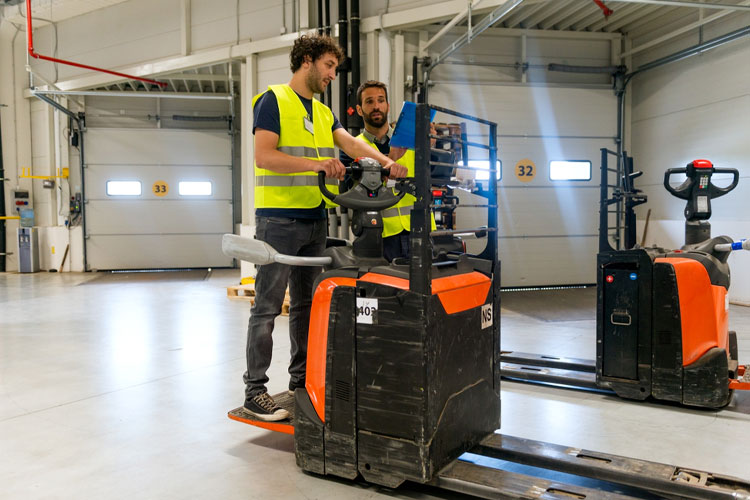
Every successful forklift certification begins long before the instructor arrives. A well-prepared workforce is more confident, safer, and better equipped to demonstrate the knowledge and practical skills required for OSHA compliance. Using a structured Forklift Safety Training Checklist helps employers eliminate last-minute issues, reinforce safe operating habits, and ensure every participant is ready for both classroom instruction and hands-on evaluation. Whether your organization operates a warehouse, distribution center, manufacturing facility, or construction site, preparing properly for certification day creates a safer workplace and supports long-term operational success.
Why a Forklift Safety Training Checklist Matters
Forklift operators are responsible for moving heavy loads in environments where pedestrians, equipment, and inventory are constantly in motion. Even a small mistake can result in injuries, damaged property, or costly downtime. Preparing employees before certification ensures they understand expectations, arrive ready to learn, and can confidently demonstrate safe operating techniques.
An organized checklist also helps supervisors verify that equipment, documentation, and work areas are ready before training begins. This proactive approach minimizes delays and creates a more productive learning experience.
For organizations seeking professional instruction, Forklift Safety Training provides comprehensive classroom education, hands-on evaluations, and OSHA-compliant operator training. :contentReference[oaicite:0]{index=0}
Forklift Safety Training Checklist Before Certification Day
- Verify employee eligibility by identifying workers whose job duties require forklift operation.
- Schedule training with a qualified instructor who provides OSHA-compliant education and practical evaluations.
- Inspect every forklift to ensure equipment is safe, properly maintained, and suitable for training.
- Prepare the training area by removing unnecessary hazards and establishing safe travel routes.
- Gather required documentation including attendance sheets, operator records, and evaluation forms.
- Review workplace policies covering speed limits, pedestrian awareness, load handling, and reporting procedures.
- Confirm operators wear proper PPE required by company policy and site conditions.
- Communicate the training schedule so employees understand classroom sessions, practical testing, and evaluation requirements.
Completing these steps before certification day allows instructors to focus on developing operator competency instead of addressing preventable administrative or equipment issues.
Knowledge Employees Should Review Before Training
Employees perform better when they arrive with a basic understanding of forklift safety principles. Supervisors should encourage operators to review:
Equipment Fundamentals
Understanding forklift controls, steering characteristics, braking distances, stability, and load capacities provides an excellent foundation before practical instruction begins.
Daily Inspections
Operators should understand why pre-operation inspections identify problems before equipment enters service. Tires, forks, hydraulics, steering components, warning devices, brakes, and fluid levels all contribute to safe operation.
Load Handling Principles
Employees should understand proper load positioning, balanced lifting techniques, travel with lowered forks, and maintaining visibility throughout transport.
Workplace Hazard Recognition
Every facility presents unique challenges including ramps, loading docks, narrow aisles, pedestrians, blind intersections, uneven surfaces, and overhead obstructions. Recognizing these hazards before operating equipment significantly reduces risk.
Preparing Your Facility for Hands-On Evaluations
Certification involves more than classroom instruction. Practical evaluations allow instructors to verify operators can safely apply what they have learned.
Before training begins, employers should ensure travel lanes are clearly marked, pedestrian routes remain separated from forklift traffic whenever possible, and designated practice areas provide adequate space for maneuvering. Training exercises should reflect actual workplace conditions whenever practical so operators develop skills they will use every day.
Facilities that routinely handle outdoor material movement may also benefit from specialized Rough Terrain Forklift Training designed for equipment operating on uneven jobsite surfaces. :contentReference[oaicite:1]{index=1}
Common Mistakes That Delay Certification
Many certification days become less effective because employers overlook small details that create unnecessary interruptions.
Common issues include incomplete equipment inspections, forklifts requiring maintenance, employees arriving without required PPE, missing training records, overcrowded training areas, and operators unfamiliar with company-specific safety policies.
Another frequent problem occurs when employees assume previous experience alone is sufficient. Experienced operators often develop unsafe habits over time, making professional refresher instruction especially valuable.
Building Long-Term Forklift Safety Beyond Certification
Certification should never be viewed as the finish line. Safe forklift operation depends on continuous reinforcement through supervision, coaching, inspections, and ongoing education.
Organizations that consistently achieve excellent safety performance often combine certification with:
- Routine operator observations, refresher training, documented equipment inspections, toolbox talks, incident reviews, and periodic performance evaluations.
- Broader OSHA safety programs, including hazard recognition, fall protection, emergency response planning, and regular workplace safety inspections to strengthen overall compliance.
A strong safety culture encourages employees to report hazards immediately, ask questions without hesitation, and continuously improve operating practices instead of simply meeting minimum requirements.
Additional workplace safety resources, including OSHA Safety Training and OSHA Third-Party Safety Inspection, help organizations strengthen compliance across multiple aspects of workplace safety. :contentReference[oaicite:2]{index=2}
Partner with Think Safety Always for Forklift Safety Training
Preparing employees with a complete Forklift Safety Training Checklist helps create confident operators, safer facilities, and stronger OSHA compliance. However, effective certification requires experienced instructors who understand both regulatory requirements and real-world jobsite challenges.
Think Safety Always delivers professional Forklift Safety Training nationwide through experienced OSHA safety professionals who provide engaging classroom instruction, practical hands-on evaluations, and training designed around your workplace. Their programs help employers develop competent operators, reduce workplace risk, improve regulatory compliance, and build a lasting culture where safety remains the highest priority. Whether you need initial operator certification, refresher instruction, or customized onsite training, Think Safety Always has the expertise to help your team prepare for certification day with confidence.
Frequently Asked Questions
How often should forklift operators complete refresher training?
Refresher training should be provided whenever an operator demonstrates unsafe operation, is involved in an incident or near miss, operates a different type of forklift, or workplace conditions change. OSHA also requires periodic evaluations of operator performance.
What should employees bring to forklift certification training?
Operators should arrive with any required personal protective equipment, appropriate work clothing, and a willingness to participate in both classroom instruction and hands-on practical evaluations.
Does classroom instruction alone qualify someone to operate a forklift?
No. Operators must successfully complete formal instruction, practical training, and a hands-on evaluation demonstrating they can safely operate the specific equipment used in their workplace.
Can experienced forklift operators skip certification?
No. Previous experience does not replace OSHA training requirements. Every employer must ensure operators are properly trained, evaluated, and authorized for the equipment and workplace where they perform their duties.